With Park Waves Festival’s Australian run officially cancelled, Knotfest Australia taking a break, and Unify Gathering collecting dust – what to Australian festivals need to do to survive in 2025 (and beyond)?
Park Waves Festival’s Australian run was officially cancelled this afternoon (2 December) to the disappointment of fans looking forward to some regional love across the country. According to the statement from Destroy All Lines, the 11-date run won’t go ahead “due to a combination of challenges.” Parkway Drive themselves described it as another festival “crushed by the rising costs across our entertainment industry.”
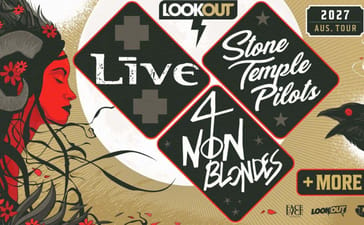
And they’re right – Park Waves isn’t the only festival in Australia to be canned or postponed due to the realities of putting on major events around the country as of late. Knotfest Australia is “taking a short break in 2026” with promises to return in 2027, and Unify Gathering has been shelved since 2022 (if we don’t count the Off The Record instalments in 2023). Splendour in the Grass has been axed two years in a row, as has Groovin’ The Moo (who said in January they were working on “finding the most sustainable model” for the festival). Just to pile on a bit more, Esoteric Festival was cancelled just hours before the event was set to kick off due to issues with permits.
I won’t make this piece a eulogy for all of the Australian festivals that have fallen to the pressures and costs of putting on major events both regionally and in metro areas, but it does paint a sobering picture of the local landscape for Aussie festivals.
What exactly is causing all of these major events, some of which have been mainstays in the annual circuit for decades, to fall? It’s a mix of things, and organisers have been pretty transparent about what’s behind it: rising costs of running events, local and state government bureaucracy, low ticket sales, and a whole lot more.
Earlier this year, Australian Festival Association (AFA) managing director Olly Arkins told news.com.au that festivals were struggling with increased production and supplier costs for things like toilets, fencing, and more.
“Everything that goes into a festival saw significant increases and people haven’t been able to raise ticket prices at the same rate to be able to maintain a competitive and enticing price,” Arkins said.
“It’s just the market has been changing a lot faster than…[organisers] have been able to respond to.”
Despite being unable to raise ticket prices at a similar rate to the inflating costs of putting on such a major event in multiple locations, the cost of getting into festivals has also grown beyond what many fans can feasibly afford with general cost of living pressures.
In September the 2025 Ticketing State of Play: Behind the Ticket report, released by Tixel and Bolster, found that nearly three in five (57%) fans have had to choose between attending a gig and paying for daily essentials in the past 12 months. That number jumps to 64% among Gen Z respondents, highlighting the difficult choices younger fans in particular are making to stay connected to live music.
Despite this, the report also found that Aussies continue to prioritise gigs and festivals. More than 60% of respondents said live events are a priority expense, an increase of 6% year-on-year. Clearly, that increase hasn’t been enough to bolster events though.
So what exactly can festivals do to survive in 2025 and beyond? It’s a difficult question to answer.
Just last month, the Albanese Government’s Revive Live program approved funding for 59 festivals and 46 live music venues in an aim to keep the lights on and keep live music accessible. The funding itself covers everything from performance costs to infrastructure upgrades, with Yours & Owls securing $250,000, and Tasmania’s Party In The Paddock awarded $200,000, among many others.
While state and federal government funding is absolutely a key player in keeping festival gates open, it’s pretty clear it’s not enough to buoy these events against the rising tides of increasing costs, lower sales as punters struggle to make ends meet, and all of the red tape that hits the hip pockets of organisers. Maybe legislation to reduce the red tape is needed – but that in itself is a complex balance of ensuring these festivals are safe and accessible for attendees, while also ensuring organisers can feasibly meet the requirements.
Maybe it’s a matter of going back to basics – putting on smaller events in less locations at a lower cost both to organisers and ticket holders, at the cost of reducing the regional love and massive lineups many have grown accustomed to and now expect.
It’s not clear what kind of shot in the arm our local festivals need to survive in a time when many across the event industry and beyond are seriously hurting, but here’s hoping the answer becomes more clear before we lose any more beloved or up and coming new events – live music is part of the lifeblood of culture, and we’re not keen to hear of any more cancellations in future.
RELATED


MORE IN Features