Somewhere between the constant churn of streaming subscriptions and the never-ending cycle of digital upgrades, a new kind of entertainment culture has been taking shape among young creatives, gamers, gig-workers and late-night music nerds.
It’s defined less by owning things and more by sampling them; less by long-term commitment and more by short, disposable bursts of distraction that fit between the rest of life.
You see it everywhere: limited-run vinyl drops replaced by individual track rentals on production apps; bite-sized game downloads designed to be deleted by tomorrow; niche music software offering hour-long trials instead of annual fees. The whole digital landscape is shifting toward “micro-spend” energy: tiny payments that don’t demand much thought or loyalty, just a moment of curiosity.
What’s interesting is how this mindset has started blending into adjacent corners of online play usually associated with heavier financial commitment. A lot of people who wouldn’t touch big-money betting are still interacting with lighter, short-form digital experiences—more as a way to pass time on a night bus or kill 15 minutes before load-in at a venue than chase any kind of payout. The psychology isn’t thrill-seeking; it’s the same impulse that makes someone buy a $3 sample pack or spend loose change on a mobile rhythm game: just give me something quick to fiddle with while my brain resets.
23fIt’s also in this late-night, low-attention digital environment that betting-related material sometimes appears alongside other forms of online entertainment. Rather than jumping straight in, most people approach it the same way they do anything unfamiliar online: they read, compare, and try to understand how it works. That usually means skimming explainers, browsing comparison pages — including New Zealand-based resources that are easily accessible to Australian readers — or checking every 10 deposit casino listed to get a basic sense of deposit structures, withdrawal mechanics, and how different platforms are set up. It’s informational before it’s experiential, and it exists within the wider digital ecosystem rather than standing apart from it.
Micro-spending in music culture paved the way. Punk kids swapping gear plugins for the price of a sandwich; bedroom producers buying effect trials for a week instead of committing to the full suite; zine makers selling pay-what-you-want PDFs. It all normalised an environment where entertainment could cost as little (or as much) as you choose, with no guilt attached to walking away after five minutes.
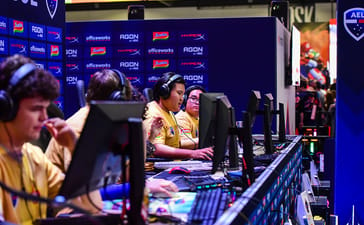
The gaming world mirrored it fast. Indie titles that take an hour to beat, roguelikes built for five-minute sessions, cosmetic marketplaces where spending five dollars feels like paying rent on a quick hit of novelty. It’s flexible, disposable, and somehow more honest than the subscription treadmill.
Betting-related content also appears in that same behavioural pocket. For some people, it becomes another part of late-night screen time, alongside other digital media.
Across music, gaming, and these small, modular digital formats, the through-line is the same: people want control over how much time and money they put into their fun. They want their entertainment to be modular, optional, and easy to delete without consequence. The era of locking into one platform, or one identity as a fan, is over.
We’re all operating in micro-units of attention, creativity, and distraction. Pocket-change entertainment isn’t just a budget-friendly trend; it’s a reflection of how modern life works: fragmented, fast, and always moving. As long as that’s true, low-commitment digital play across music tools, games, and other online formats will keep shaping how we unwind.
MORE IN Gaming