There is a thing that happens now when the internet wants a scalp.
It does not need the whole clip. It does not need the timeline. It definitely does not need context, because context gets in the way of a clean villain.
It just needs one line.
In Keli Holiday’s case, that line is: “Don’t procreate, just die.”
Ugly? Yes. A great piece of public communication? Obviously not. Even Keli has now said the wording was wrong and that reacting that way was not helpful.
But that is not really what is happening here.
Because the version of the story being pushed is not simply, “Keli said something ugly.” It is, “Keli told everyday Australians to die.”
That is a very different claim. And once you put the line back where it came from, that version starts to fall apart.
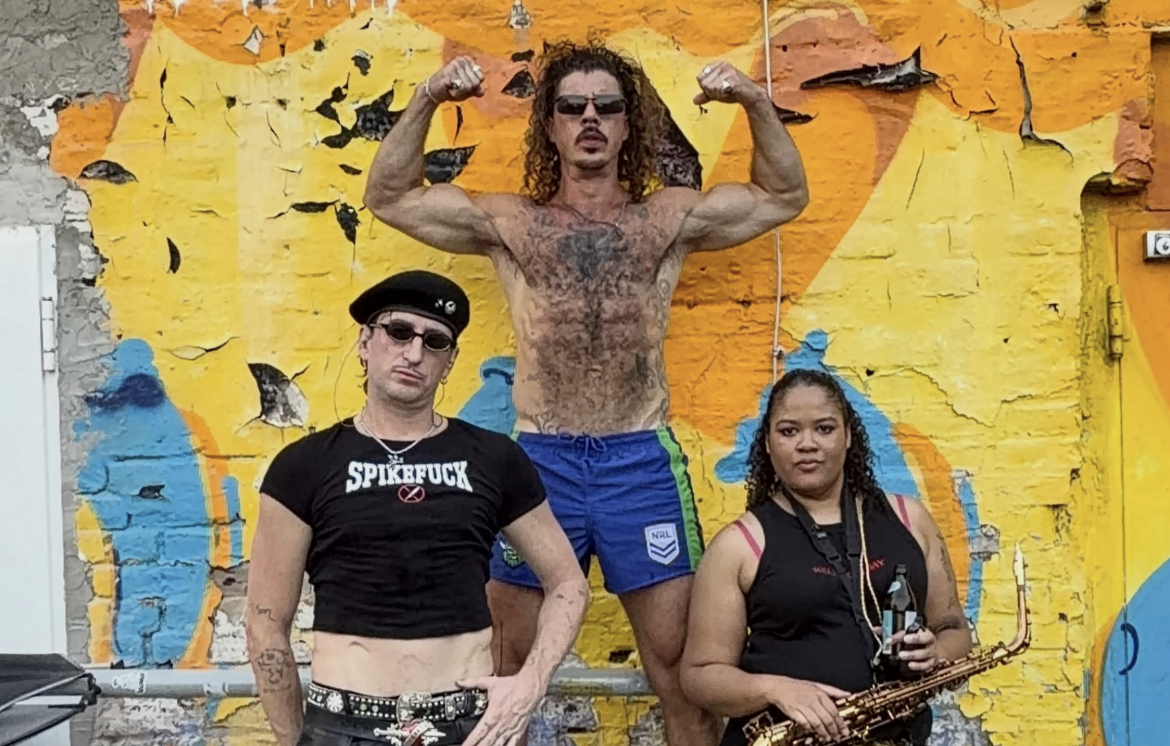
The comments were originally made in September last year, after the March for Australia rallies and the reported incident at Camp Sovereignty in Melbourne. In a statement posted this week, Keli Holiday has now addressed the clip, saying it has been edited, recontextualised and stripped of who he was actually talking about.
According to Keli, the comments were directed at people alleged to be neo-Nazis following the attack on Camp Sovereignty. Not everyday Australians. Not everyone at March for Australia. Not people who simply disagree with him.
That distinction matters.
Because the key line did not appear in a vacuum. It came after he referenced Indigenous people being hurt and “Nazi losers” running through a camp. His words were extreme, but the target of the anger is not some mystery. The available context points very clearly to alleged neo-Nazis and racist attackers, not ordinary Australians going about their lives.
And Camp Sovereignty was not some random internet footnote.
Camp Sovereignty is a First Nations protest site in Melbourne’s Kings Domain. The Guardian reported that at least 50 mostly black-clad men approached the site after the anti-immigration rally, with four people injured and two taken to hospital. The report also said the group included some members of the National Socialist Network, according to footage seen by Guardian Australia.
That is the context being erased.
The broader political context has also changed since the clip was first posted. The Australian Government has since listed White Australia, formerly known as the National Socialist Network, as a prohibited hate group under the Criminal Code.
Again, none of this makes Keli’s wording good. It was not. But it does make the current framing look selective at best.
If the argument is, “Keli Holiday used extreme language and people are allowed to criticise him for it,” fine. That is fair.
But if the argument is, “Keli Holiday told everyday Australians to die,” that does not survive contact with the actual context.
That is where the Bonds backlash becomes revealing.
The public-facing reason for the backlash was the old clip. PerthNow reported that a petition calling for Holiday to be removed from Bonds’ campaign claimed his comments were “toxic” and showed contempt for the customers Bonds relies on.
That is the respectable version of the outrage.
But it is hard to pretend this was only about Bonds.
Keli has become a convenient proxy target in the ongoing culture-war pile-on around Abbie Chatfield. He is regularly framed first as “Abbie’s boyfriend” before he is treated as an artist in his own right. His campaigns, performances and public moments are dragged into the same ecosystem of people who already hate Abbie, her politics, her feminism, her tone and basically anything connected to her.
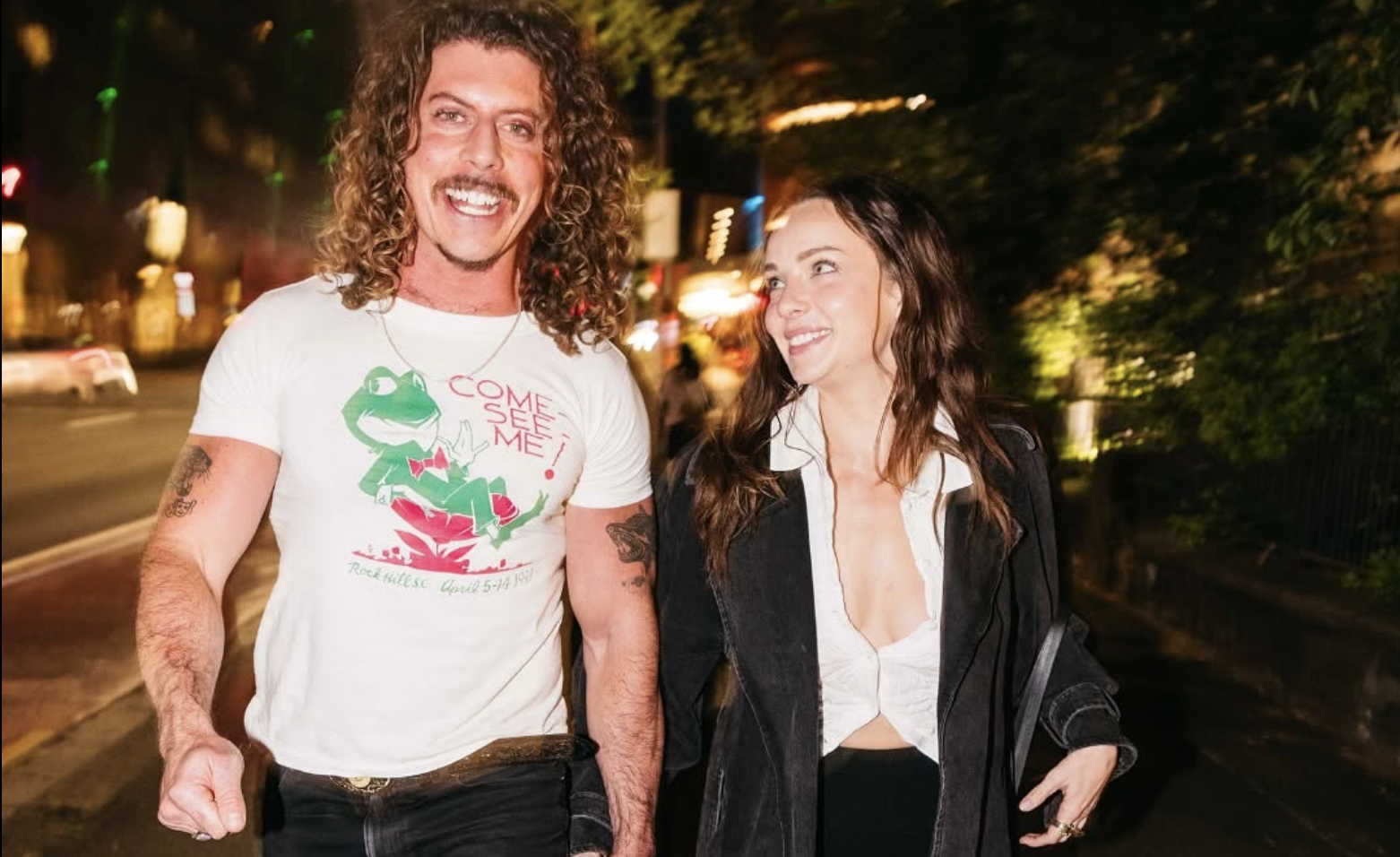
So when Keli appears in a Bonds campaign, it is not just a musician modelling underwear. It becomes “Abbie’s boyfriend gets rewarded.”
When Peking Duk announced their 2026 Australian tour, it was not just a band returning. It became another chance to drag the clip back into circulation.
When Keli clarified the context, it was framed as damage control rather than a person responding to what he says has become a safety issue for him and the people around him.
That timing is not a footnote. It is the story.
A tour announcement creates attention. Attention creates opportunity. And in the current culture-war media cycle, opportunity often means finding the most damaging available clip, cutting away the context, and pushing it towards a brand, promoter, festival or platform.
That is not accountability. That is reputational warfare dressed up as moral concern.
There is a real conversation to have about the way public figures speak when they are angry. Keli’s words were harsh. He has acknowledged that. Nobody gets a free pass just because their anger was pointed in a morally understandable direction.
But there is also a dishonest conversation happening here.
A furious comment about “Nazi losers” and “racist f***s” after an alleged attack on an Indigenous protest site has been repackaged as if Keli Holiday was fantasising about the death of ordinary Australians.
That is not a small difference. That is the whole difference.
The reframed version is more useful. It makes the clip easier to weaponise. It makes the Bonds pressure campaign sound less like another anti-Abbie pile-on and more like a righteous consumer revolt. It gives people a cleaner villain.
But the seams are showing.
This is not a defence of bad wording. It is a defence of context.
And context matters, especially when outrage accounts, tabloid framing and brand-pressure campaigns all have a reason to flatten a messy story into a screenshotable villain.
If people want to criticise Keli Holiday for the words he used, go for it.
But if they want to pretend he was aiming those words at “everyday Australians”, while ignoring the alleged neo-Nazi attack he was reacting to, that is not criticism.
That is a reframing.
And when that reframing is then used to pressure Bonds, attack a Peking Duk tour announcement, and fold him back into the endless anti-Abbie content cycle, it becomes harder to see this as good-faith accountability.
It looks a lot more like a culture-war pile-on looking for a brand scalp.
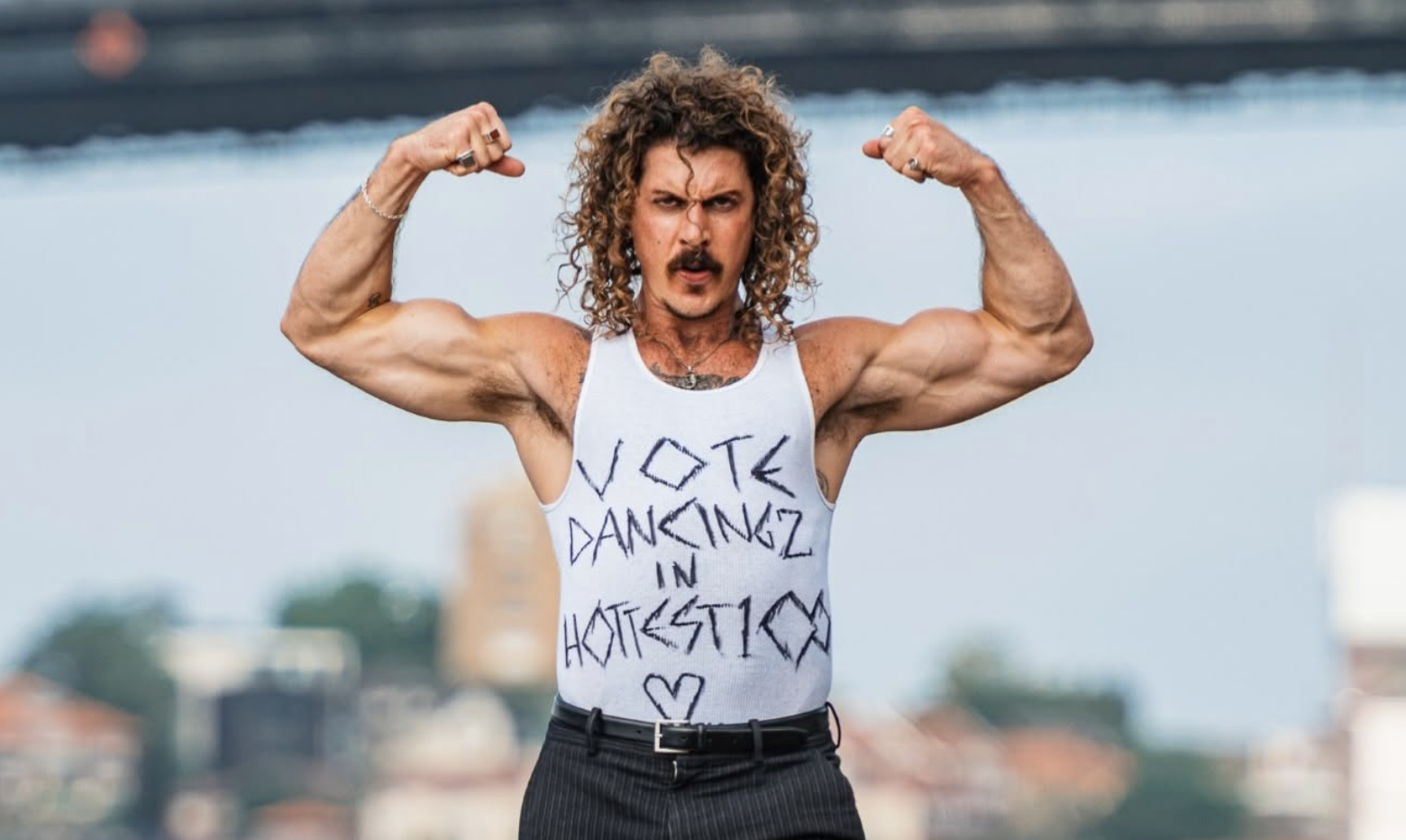
Photos: Via Keli Holiday Facebook
Joel King
Join Joel’s Inner Circle
MORE IN Music