The internet is very good at making distance feel irrelevant.
A song uploaded in Auckland can reach Melbourne almost immediately. New Zealand fans can follow a band through an entire European tour without leaving the sofa. People scattered across several countries can watch the same trailer, join the same Discord server, and argue about the same ending.
It feels like everybody has access to the same enormous cultural feed.
Then somebody shares a link that does not work in your country.
A film is missing from your streaming library. A game costs something completely different on your local store. The “world tour” has skipped half the world, and that limited-edition vinyl suddenly comes with a shipping charge bigger than the record itself.
The internet may be global. The experience still depends on where you are.
Music Can Travel Further Than The Feature Carrying It
Music rarely waits for geography anymore. A track can move through playlists, short videos, and group chats before the artist has announced an international tour.
The platforms carrying that music are not always as universal as they appear. In Australia and New Zealand, for example, we recently covered the Snapchat and Spotify Now Playing feature, introduced in July 2026. It lets users share what they are listening to through Snap Map, discover music through friends and open tracks in Spotify.
It is a neat way to discover what your mates are spinning. It is also a reminder that major platforms do not always make every feature available in every market at the same time.
The song crosses the border instantly. The feature might take the scenic route.
“World Tour” Remains A Flexible Term
Music fans already understand regional access because they have spent years reading tour posters.
A band can have listeners everywhere and still play only a handful of countries. Touring requires venues, promoters, transport, equipment, and enough ticket sales to make the trip worthwhile. A million streams in one market do not automatically put that city on the itinerary.
Australian and New Zealand fans both know how this works. The internet allows them to follow an artist every day, but it cannot shorten the flight or squeeze another date into a packed schedule.
Sometimes being part of a global fandom still means watching everybody else post footage from the gig.
Your Screen Has A Passport
Streaming services create the impression that everything is available everywhere. Open the app, search for a title, and press play. At least, that is how it is supposed to work.
Netflix shows how this works. The company says it operates in more than 190 countries and regions, but its library varies by country and changes over time. Viewers in Australia, New Zealand, and the United Kingdom can therefore open the same service without necessarily being offered the same films and television series.
The same distinction between a global name and a local experience exists across other digital services. Some maintain country-specific versions shaped by the markets they operate in. For readers in New Zealand, Spin Casino’s New Zealand site is one example of a digital entertainment service presented through a country-specific website.
The point extends well beyond any single service. Games, music, and subscription platforms can differ between regions in their prices, releases, catalogues and available features. The app icon may be recognised everywhere, but what waits behind it can still depend on where the screen happens to be.
The Border Never Really Disappeared
None of this means the internet has failed to connect people. It has done the opposite.
Australian listeners can discover New Zealand artists before those acts tour locally. Fans can build communities across time zones, and independent creators can reach audiences that would once have been impossible to find.
What changed was the border’s ability to contain culture. Songs, memes, trailers, and conversations now move straight through it.
Access, pricing, catalogues, and tour dates are another story.
The internet has made the world feel smaller. It just hasn’t made every part of it the same.
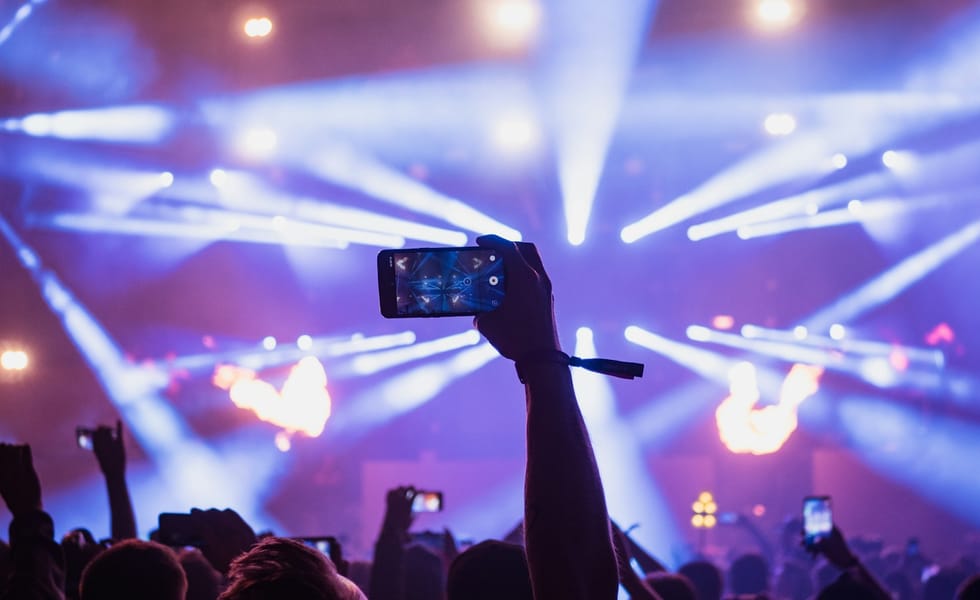
Image: Casper Johansson / Unsplash.
MORE IN Culture