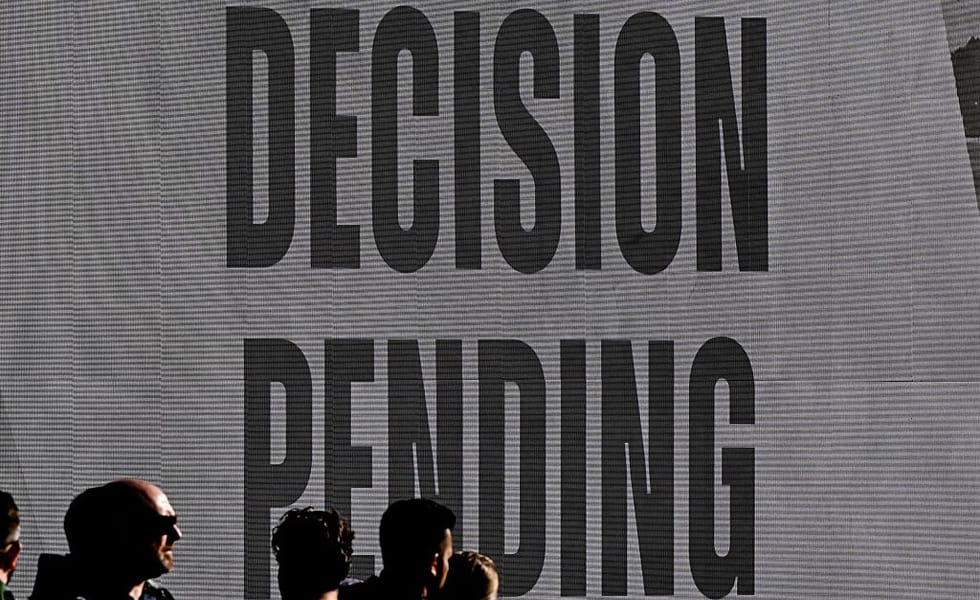
“Pending” used to feel normal. Now it feels like something’s wrong.
There was a time when waiting a few days for money to move didn’t raise questions. You’d withdraw funds, see the confirmation, and move on. It wasn’t ideal, but it didn’t feel suspicious.
That logic doesn’t hold anymore.
Because everything else has moved on.
Messages are instant. Transfers between people are instant. Content loads immediately. So when something still takes days, it doesn’t feel like a process.
It feels like resistance.
That’s where the shift happens.
People don’t analyse this in detail. They feel it. If something makes them wait, they assume something’s off. Not necessarily broken, just outdated.
No one says it directly.
But everyone reacts to it.
That’s why payout speed has become one of the biggest signals of trust.
It’s not about chasing speed for the sake of it. It’s about removing friction that shouldn’t exist anymore.
References to faster payout platforms used by players reflect that shift. People aren’t comparing features. They’re comparing how it feels to move money in and out.
And that feeling matters.
There’s also a psychological layer that gets overlooked.
When money is pending, it doesn’t feel fully real. It sits in a kind of in-between state. Not accessible, not settled, not quite yours yet.
That creates tension.
When it clears instantly, that tension disappears.
The experience feels finished.
There’s also a behavioural shift that platforms underestimate.
When people experience delays consistently, they don’t complain. They adjust. They withdraw less often, or they move to platforms where the process feels smoother. It’s rarely dramatic. It’s just a quiet shift in where time gets spent.
And once that shift happens, it’s hard to reverse.
Because the comparison point has already changed.
There’s also a gap between what platforms think they’re doing and how users interpret it.
From a system perspective, delays can still make sense. Security checks, fraud prevention, verification layers. But users don’t see that. They compare the experience to everything else they use.
And everything else is instant.
That mismatch is the problem.
If something doesn’t feel justified, people don’t try to understand it. They move away from it.
Waiting used to be normal.
Now it’s a signal.
And once something feels like a signal, people don’t ignore it.
They leave.
MORE IN Culture