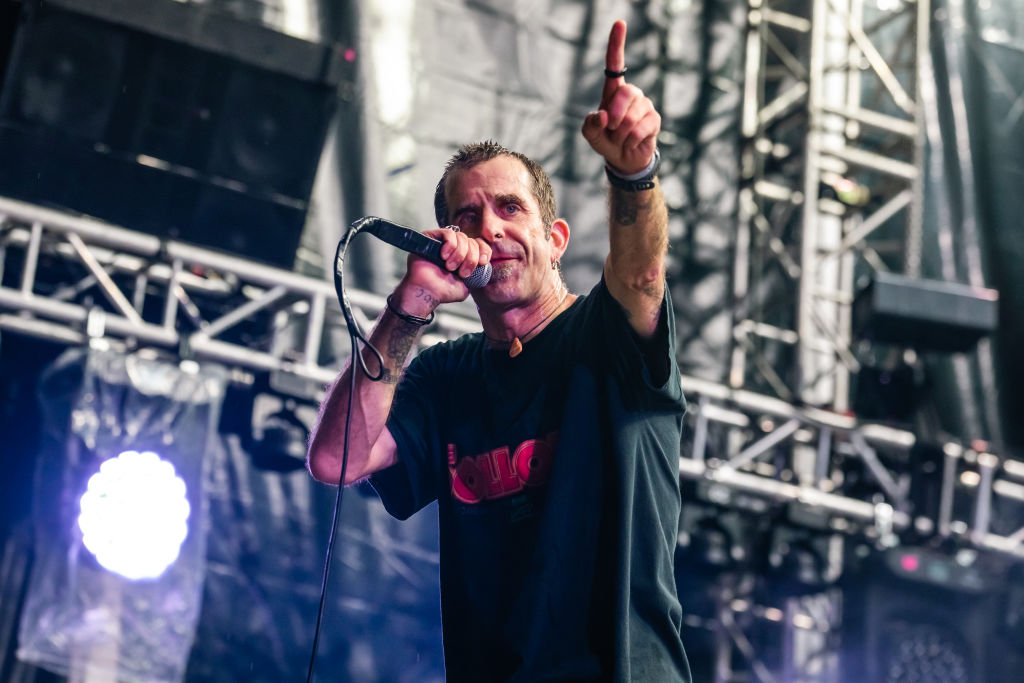
In nightlife culture, the hour before a live music event has always mattered. Playlists are finalised, group chats light up, and plans are confirmed.
Increasingly, that pre-gig window has taken on a digital rhythm of its own, shaped by short, mobile interactions that build anticipation rather than distraction.
What has changed is not the desire for momentum, but the tools people use to create it. Alongside music previews and transport planning, brief sessions on an online casino have become part of how some audiences fill those minutes before doors open. The behaviour is not about outcomes or rewards. It is about pacing, stimulation, and fitting energy into a tight timeframe.
From Pre-Drinking to Pre-Gig Scrolling
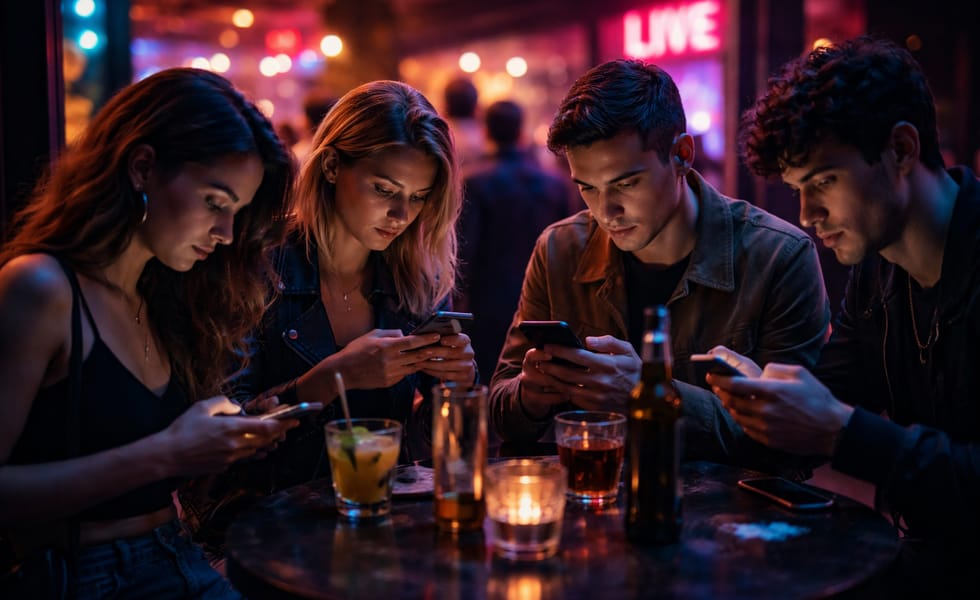
Pre-event rituals have always been about warming up. For years that meant drinks, music, and conversation. Today, those rituals often include phones in hand, bouncing between apps, messages, and short bursts of interaction. Digital habits now mirror the fragmented way people move through modern nightlife.
In this context, short-session play has found a place. A few minutes of interaction can be started and stopped easily, without changing location or derailing plans. It runs parallel to social interaction rather than replacing it, adding to the shared build-up rather than pulling focus away.
Rhythm, Timing, and Short Attention Loops
Fast-paced digital games operate in quick, repeatable cycles. From a cultural perspective, that rhythm is not far removed from the structure of a live set. Moments build, peak, and reset. The appeal sits in this pattern rather than prolonged focus or immersion.
You see this reflected in how people actually use their devices before events. A short interaction on the way to a venue, phone out for a few minutes, then closed again before arrival. In group settings, one person might engage briefly while others comment or joke. It adds a layer of shared energy without taking over the moment.
Why Platform Design Matters in These Moments
When time and attention are limited, friction becomes obvious. Interfaces that are clear, predictable, and easy to exit fit more naturally into pre-gig routines than experiences that demand long focus or learning curves.
In industry discussions around mobile entertainment habits, platforms such as Vegastars are sometimes mentioned as examples of how an online casino is designed around short, contained sessions rather than extended play. In these contexts, usability matters more than depth.
Culture, Not Promotion
The convergence of music culture and digital gaming is not accidental. Visual language, sound design, and interface pacing increasingly borrow from nightlife aesthetics. Bright visuals, movement, and rhythm align with the sensory build-up people expect before a night out.
This does not signal a shift toward heavier gambling behaviour. Instead, it reflects how digital entertainment adapts to existing social routines. Short, contained interactions fit more comfortably into busy schedules than long-form engagement.
Where This Behaviour Fits in the Bigger Picture
As nightlife continues to evolve, so do the rituals around it. Digital habits are becoming part of the preparation rather than the destination. They fill gaps, build mood, and disappear once the main event begins.
Online casino play, in this sense, becomes one of several interchangeable pre-gig activities. Not a focus, not a destination, but a brief layer of stimulation that mirrors the energy of the night ahead.
Seen through a cultural lens, this trend says less about gambling itself and more about how people manage attention, anticipation, and time in an increasingly mobile world.
RELATED



MORE IN Culture