More than 20,000 ticket holder entries have been listed as creditors in the official ASIC filing following the collapse of Bluesfest 2026, highlighting the scale of the fallout for fans.
The figure comes from the Report on Company Activities and Property lodged as part of the festival’s liquidation process.
The creditor list appears to be built from ticketing data rather than individual claims
The filing includes 20,858 entries tied to ticket holders, although the number does not represent confirmed individual creditors.
Instead, the list appears to have been generated from ticketing records, meaning customers did not actively register as creditors themselves.
That helps explain why the figure is so high.
Duplicate entries inflated the total number of ticket holders
The liquidator has already confirmed the list contains duplicate entries, with some ticket holders appearing multiple times.
This is likely due to:
- multiple ticket purchases under the same name
- separate transactions for camping, parking or upgrades
- duplicated records within the ticketing data
While the original totals were inflated due to duplicate entries, the underlying list still points to thousands of affected ticket holders.
The total value of ticket sales was closer to $5.9 million
Earlier reporting suggested more than $23 million was owed to ticket holders, but that figure has since been corrected.
The revised estimate puts total ticket sales at approximately $5.9 million.
That suggests the number of actual ticket holders is likely far lower than the 20,000-plus entries listed in the filing.
The structure of the business helps explain why fans dominate the creditor list
The filing also reveals that Bluesfest Enterprises Pty Ltd primarily handled ticket sales, while a separate entity was responsible for running the festival and paying suppliers.
That means ticket holders sit directly on the books of the company now in liquidation.
It also helps explain why the creditor list is dominated by fans, with fewer large commercial creditors visible at this stage.
The scale of the shortfall highlights how exposed ticket buyers can be
With ticket holders classified as unsecured creditors, many are unlikely to recover the full cost of their purchase through the liquidation process.
The situation has drawn attention to how ticket funds are handled in the live events industry.
While industry guidelines recommend that ticket proceeds be held in trust until an event takes place, this is not a legal requirement.
In this case, funds appear to have been used to support the operation of the festival before it was ultimately cancelled.
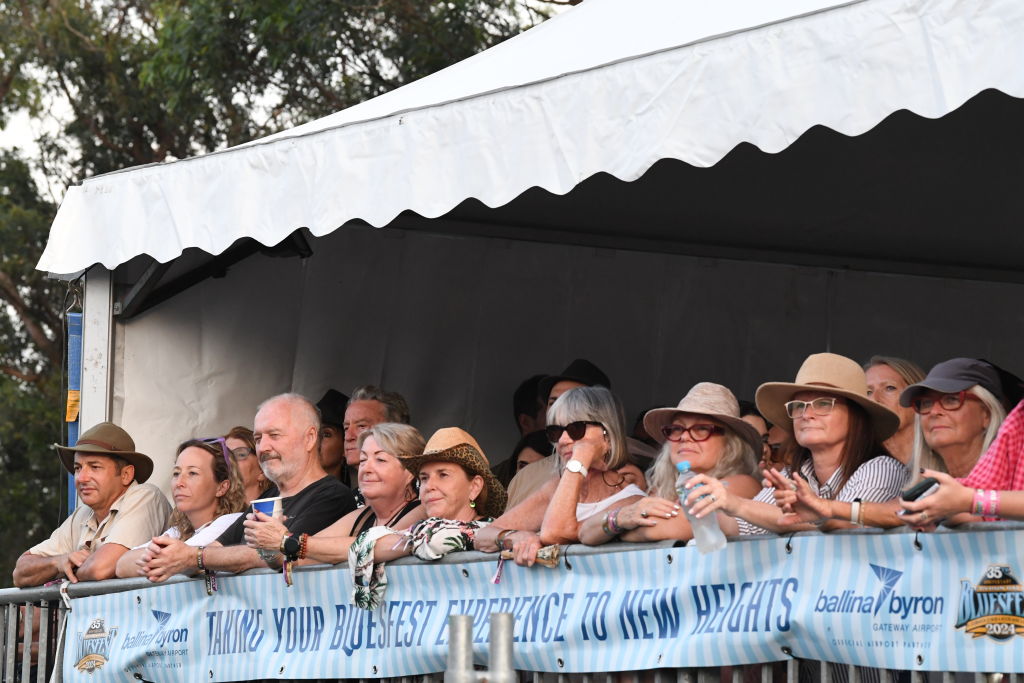
Barnes perform at Byron Bay Bluesfest 2024 on March 31, 2024 in Byron Bay, Australia. (Photo by James D. Morgan/Getty Images)
RELATED




MORE IN Music