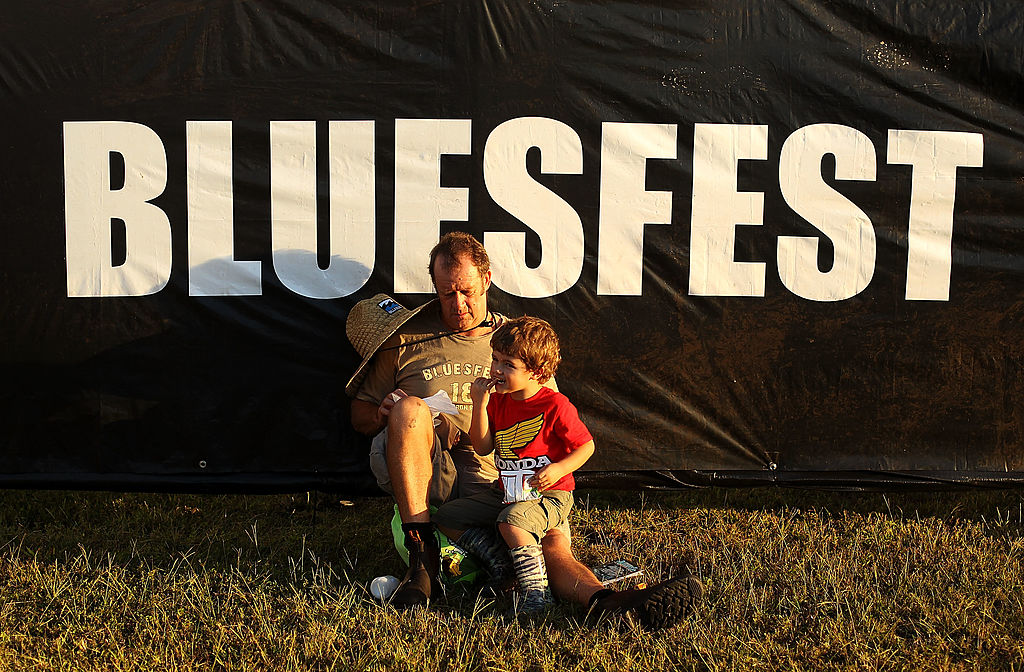
Documents show director Peter Noble sought advice on liquidation and safe harbour months before the festival was marketed as its “final” event.
Bluesfest’s collapse in March 2026 has been framed as the result of rising costs, soft ticket sales and a tough live music market.
But documents lodged with ASIC suggest the financial pressure behind the festival was not sudden.
It had already been on the table more than a year earlier.
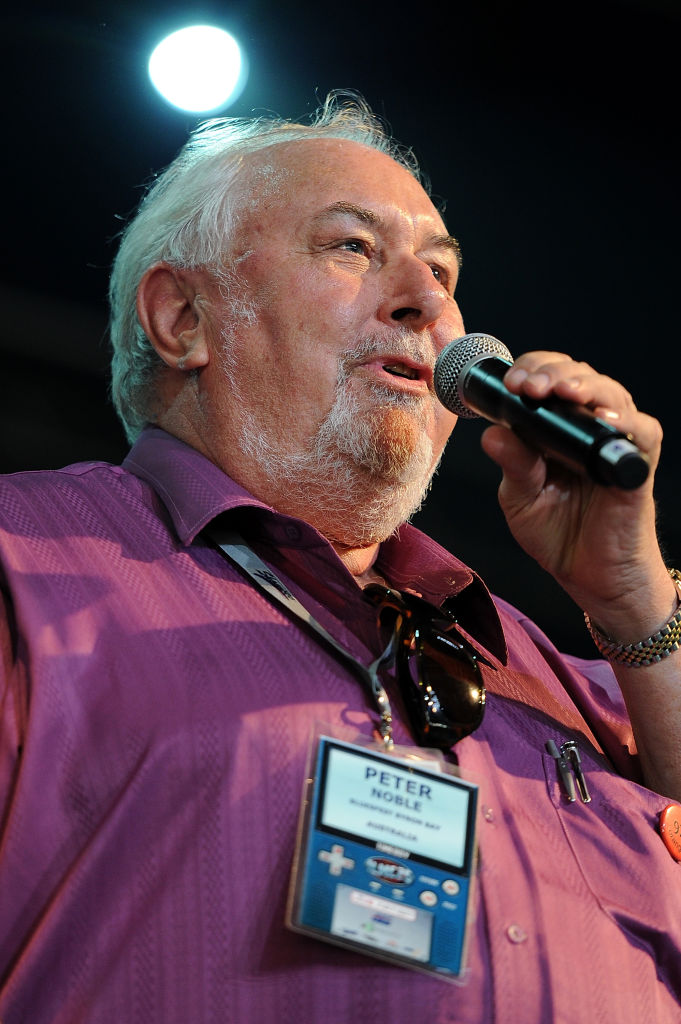
A declaration filed by liquidator Jason Bettles lays out a timeline of interactions with Bluesfest director Peter Noble. It shows insolvency was being discussed as early as February and March 2024, months before the festival was publicly positioned as entering its “final” year.
Insolvency was already being discussed in early 2024
According to the document, Bettles was first contacted about the affairs of the Bluesfest festival on or around 22 February 2024.
By early March, those conversations had escalated.
On 7 March 2024, Bettles met directly with Noble and associated staff to discuss the company and the nature and consequences of a liquidation.
Later that month, Noble contacted the liquidator again to discuss the safe harbour regime, the legal framework that allows directors to continue trading while attempting to restructure a financially distressed company.
Safe harbour is not something that comes up casually. It becomes relevant when a director is concerned about the risk of trading while insolvent.
The document shows those conversations did not stop there.
Through June, July and August 2024, there were further discussions between Noble, his advisers and the liquidator about funding challenges, insolvency options, voluntary administration and the consequences of an external appointment.
At the same time, efforts were being made to secure funding from third parties and government sources.
Then came the “final festival” announcement
In August 2024, Bluesfest announced that the 2025 event would be its last.
It was framed as a farewell.
In our previous investigation, Blunt reported that sources said the “final festival” announcement was discussed internally as a way to drive ticket sales and create urgency among fans.
In a Rolling Stone report, Peter Noble acknowledged that the idea of Bluesfest ending helped push ticket sales “over the line”.
Placed alongside this timeline, that moment reads differently.
At the same time the festival was being presented as entering its final chapter, insolvency and liquidation were already being discussed behind the scenes.
Less than a year later, the festival collapsed
Bluesfest 2026 was cancelled in March, roughly three weeks before gates were due to open.
The company behind the event, Bluesfest Enterprises Pty Ltd, entered liquidation.
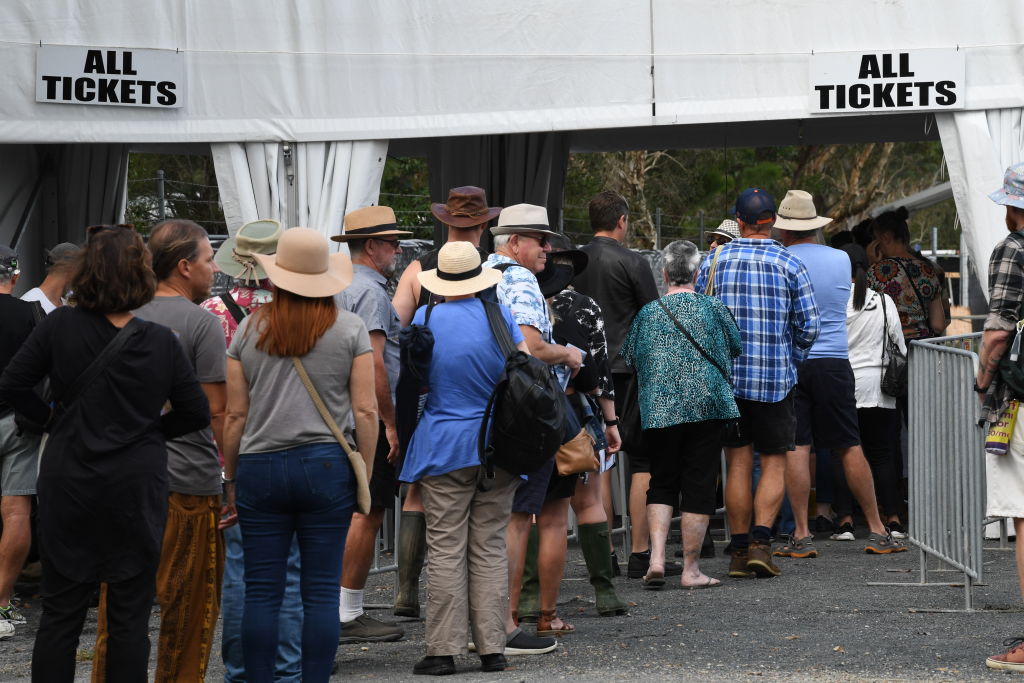
Ticket holders have since been classified as unsecured creditors, and the liquidator has warned refunds are unlikely.
The collapse has left fans, suppliers, artists and local businesses exposed.
At the same time, tickets were still being sold and suppliers and stallholders were continuing to commit significant sums to the 2026 event in the weeks leading up to its cancellation.
That brings the focus back to timing
The document does not prove wrongdoing. But it does establish a sequence of events.
Insolvency discussions were underway in early 2024.
The festival was marketed as entering its final year in August 2024.
The event returned in 2026, with tickets continuing to be sold.
It then collapsed weeks before it was due to begin.
That sequence raises a question that is now being asked publicly by ticket holders, suppliers and local businesses.
If the financial risk was already understood, when did it become clear the festival might not go ahead?
And if that point came earlier than March 2026, why were commitments still being taken so close to the event?
For now, the story is still unfolding
The liquidation process is ongoing and could take more than a year to complete.
Further documents, including the liquidator’s report to creditors, are expected to provide a clearer picture of the company’s financial position and the sequence of events leading to the collapse.
But what has already emerged suggests Bluesfest’s end was not simply a last-minute failure.
It was the result of pressure that had been building, and being discussed, long before the public was told the festival was entering its final chapter.
Follow me on Facebook for the latest updates on the Bluesfest Collapse
RELATED


MORE IN Music