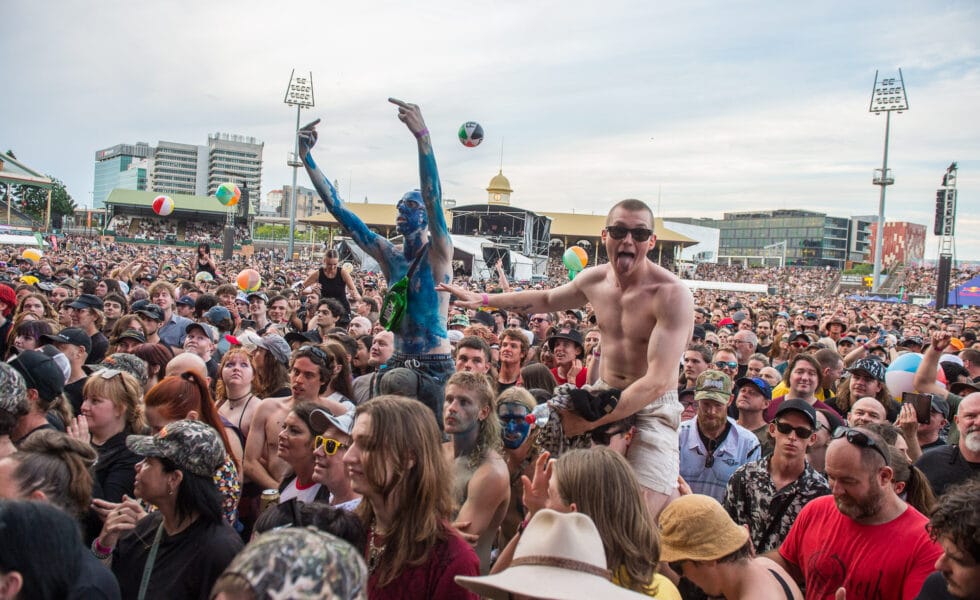
Once the venue lights come up, the night doesn’t end so much as it changes shape. The ride home or the slow walk out to the street feels like a small cliff between two worlds. The noise has stopped but the adrenaline hasn’t. Your friends peel away toward rideshares, your ears ring, and the night isn’t ready to be shelved yet. It’s the strange void after a show where you’re tired and wired at the same time.
Most people handle that hour in their own way. Some go down a rabbit hole of live clips from the band they just saw. Others open a rhythm game or a mobile title that doesn’t ask much more than tapping along until the pulse settles. A lot of post-show downtime ends in the same place: leaning into the soft glow of a phone while the body catches up to the brain.
The digital drift has become its own part of gig culture. Scrolling through photos, checking who else was at the show, replaying highlights from the setlist and arguing about which deep cut should have made it in. The timeline always comes alive around midnight with blurry pit videos, half-correct lyric quotes and people hunting for the drummer’s Instagram. It is low-pressure, half-zoned-out behaviour that fits the mood of the come-down.
Late-night browsing pulls in all kinds of online content, depending on what someone’s algorithm serves them. For some people, that mix can include betting-related content alongside other entertainment and gaming media. If someone chooses to explore that category, they often start by looking at independent casino comparison sites to understand how different platforms work, including deposit options, withdrawal timelines, and general site features. The key point is that it’s part of the broader landscape of post-show screen time, alongside everything else people scroll, watch, and play.
The point isn’t that music fans are deliberately chasing another hit of excitement. It is that after hours of noise and movement, people often want something that keeps the mind lightly occupied without demanding focus. Anyone who has stood in a merch line with one bar of signal knows the appeal of something simple to pass the time. The same goes for the bus ride home where rhythm games, short clips and betting-related content can appear side by side in the endless scroll.
There is also a social layer to the late-night comedown. Group chats flicker with messages from people who were at the show and those who couldn’t make it. Screenshots of setlists appear. Someone sends a clip of the encore. Someone else shares whatever they are currently playing or watching. It becomes a small afterparty that lives entirely on phones, stitched together by half-tired conversation and the mild daze that follows live music.
What ties all of this together is the need for a gentle runway out of a high-energy environment. Gigs are intense, communal and physical. The hour after is almost the opposite. It is quiet, individual and full of small rituals that make the transition easier. Whether someone is exploring game libraries, watching tour footage, reading interviews or glancing at the occasional betting review, it all fits into the same late-night drift toward sleep.
The behaviour isn’t about replacing the live rush. Nothing does that. It is simply the shape of modern downtime for people who spend their nights in front of amps and speakers. The noise ends, the scrolling begins and the adrenaline slowly fades until the next show rolls around.
MORE IN News