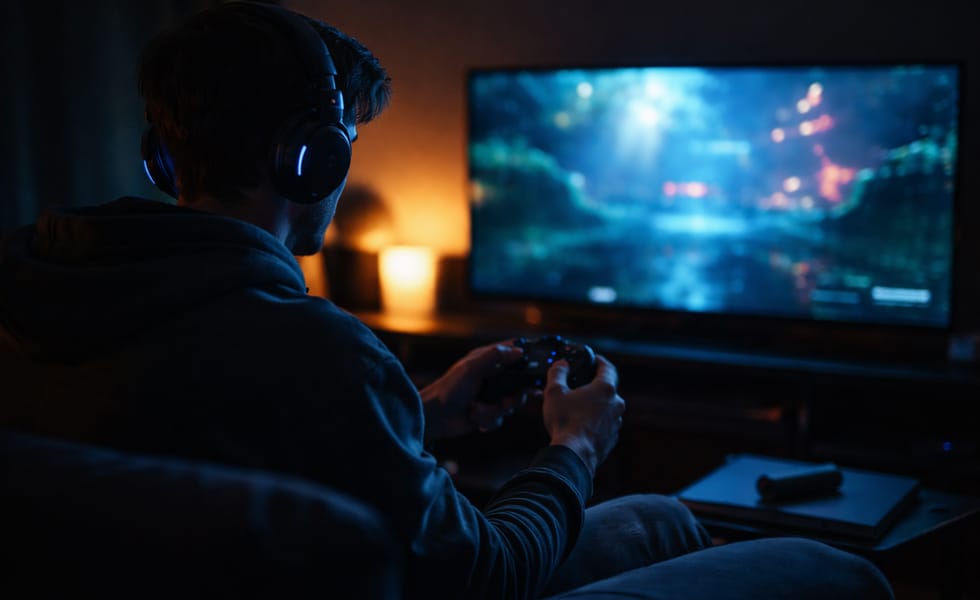
There was a time when late-night gaming meant a few mates, a couch, and a console humming until sunrise. That image still exists, but it is no longer the whole story.
In 2026, midnight gaming sessions have become something broader and stranger. Part hangout, part performance, part social ritual.
What has changed is not just technology. It is how people treat the hours after dark. For a growing slice of youth culture, especially those orbiting alternative music and online scenes, nights are less about going out and more about logging in.
Gaming now overlaps with streaming, chat servers, and creator platforms, blurring the line between play and presence. These spaces do not shut at 2am, do not charge a cover, and do not care what city you are in. That matters, because culture follows where people gather.
Why nights matter more now
Late nights have always been fertile ground for experimentation, but digital life has stretched them into something more flexible. People drift between tabs, platforms, and small distractions, building routines around low-friction engagement rather than single activities.
Mobile devices now account for the majority of global web traffic, reinforcing how late-night entertainment habits are shaped by constant, on-demand access rather than scheduled viewing.
That is where side habits creep in. During downtime between matches or streams, some users wander into adjacent online spaces built around instant feedback and quick turnaround. It is part of the same impulse that makes real-time chat addictive. For those curious about that ecosystem, explanatory guides and comparison content, including references to online casino access in NZ, circulate alongside other late-night digital tools as part of a broader landscape built around speed, access, and immediacy.
The appeal is not risk. It is efficiency.
This same logic underpins streaming culture itself. Digital subcultures have blurred the line between going out and staying in, with virtual hangouts replacing physical nightlife for many. After midnight, the screen becomes the venue.
From LAN nights to Discord
The social heart of gaming has quietly shifted from physical rooms to persistent digital spaces. Discord servers, Twitch chats, and co-streamed sessions function like modern-day basements. Places to talk rubbish, share music links, and exist together without an agenda.
This is no longer niche. Gaming’s audience scale now rivals traditional entertainment. When millions of people treat late-night streams as background noise or social glue, those habits spill outward into the rest of culture.
You can see it in how bands launch tracks on streams, how memes jump from game chats to TikTok, and how online slang filters into everyday speech. The console might be the entry point, but the culture does not stay there.
Digital downtime and side habits
Creators play a major role in reinforcing these rhythms. Global digital behaviour reports consistently show that users spend increasing amounts of time engaging with content late at night, particularly across streaming and social platforms. When streamers go live late, audiences follow, reshaping sleep schedules and social norms around their broadcasts. The result is a feedback loop where night-time becomes the prime window for participation.
There is real money behind that loop. User-generated content payouts on platforms like Roblox and Fortnite reached hundreds of millions of dollars in recent years. Those numbers explain why creators treat late hours as valuable real estate.
For viewers, hanging around is not passive. Chatting, tipping, and remixing clips all feel like being part of something unfolding live. That sense of shared insomnia carries cultural weight.
Where the culture goes after midnight
Late-night gaming culture is not replacing gigs, clubs, or scenes rooted in physical space. It is running alongside them, bleeding influence into music, fashion, and humour. The DIY ethos that once lived in garages now thrives in servers and streams.
For readers tuned into underground culture, this shift should feel familiar. It is another example of communities building their own spaces when existing ones no longer fit. After midnight, online worlds offer freedom, anonymity, and connection. The same things subcultures have always chased.
The difference is scale. When millions share those hours together, even quietly, the after-dark habits of gamers do not stay niche for long. They become the background pulse of mainstream pop culture, one late night at a time.
MORE IN Culture