
The fallout from a fatal ICE shooting in Minnesota has entered a new and volatile phase.
What began as a disputed use-of-force incident has now expanded into a broader fight over accountability, narrative control, and who is blamed when authority is challenged.
In a statement defending the killing, the Department of Homeland Security said the driver was attempting to kill the ICE agent involved, and went further by blaming public criticism from artists, including Billie Eilish, for what it described as a dramatic rise in violence against law enforcement, including so-called “vehicle rammings.”
For many watching closely, that framing represents a notable escalation in tone.
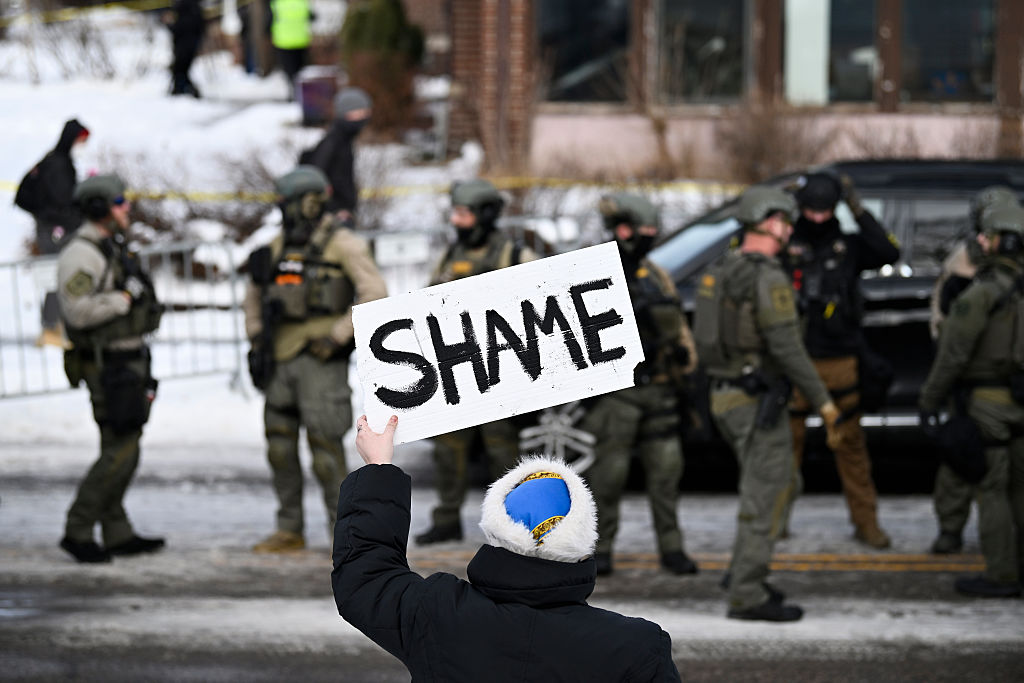
A woman was killed during an ICE operation in Minnesota while seated in her vehicle.
The shooting occurred during a federal immigration enforcement operation, when an ICE agent fired on a woman who was inside her car. Homeland Security and ICE have consistently described the shooting as an act of self-defence, saying the driver attempted to run over or ram the agent.
Video of the encounter, which has circulated widely online, has fuelled intense public debate. While the footage does not clearly show an imminent attempt to kill an officer, DHS has maintained its interpretation of events.
That interpretation has been questioned not only by activists, but also by former law-enforcement officers, legal analysts, and use-of-force experts.
Video: Body-worn footage of the Minnesota ICE shooting (viewer discretion advised)

Deadly force is supposed to be reserved for moments of imminent lethal danger.
Across modern law-enforcement policy, deadly force is generally considered justified only when an officer reasonably believes they face an immediate threat of death or serious bodily harm.
Many agencies explicitly discourage shooting at moving vehicles, noting that officers are trained to disengage or move out of a vehicle’s path where possible. Critics of the Minnesota shooting argue that firing at a car often increases danger to bystanders and can escalate situations that might otherwise be resolved without loss of life.
Experts who have questioned the shooting say the presence of a vehicle alone does not automatically constitute lethal intent, and that the threshold for deadly force is deliberately set high to prevent unnecessary killings.
That professional disagreement sits at the centre of the controversy. The issue is not simply whether an officer felt threatened, but whether the circumstances objectively met the standard required for lethal force.
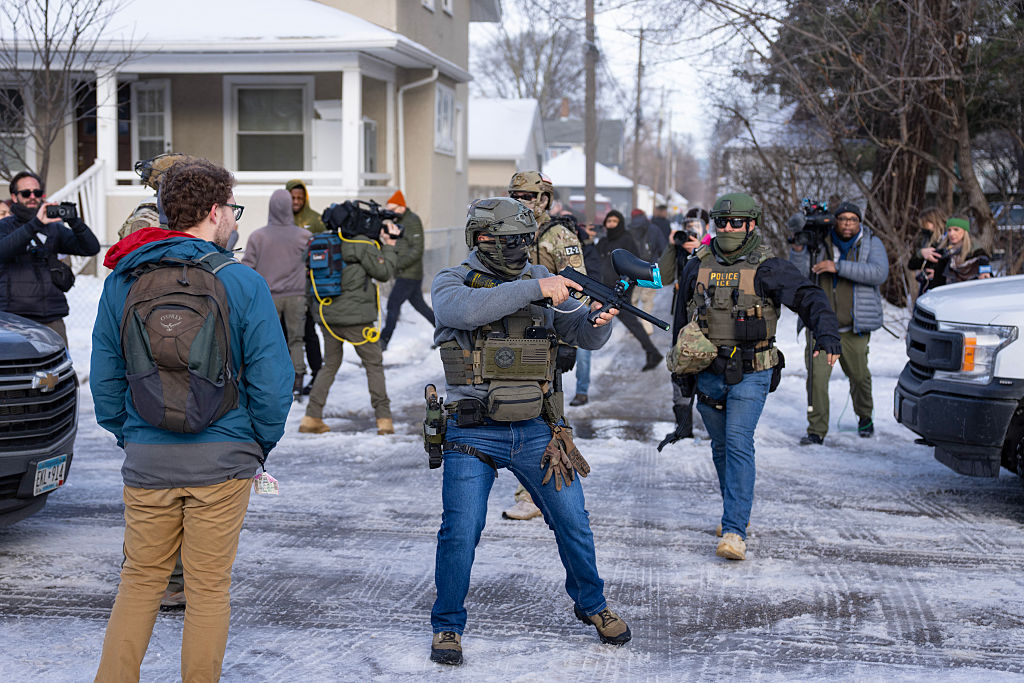
As scrutiny grows, DHS has chosen to escalate rather than de-escalate.
Rather than softening its language as investigations and public debate continue, Homeland Security has adopted a more aggressive posture.
In a public statement, DHS Assistant Secretary Tricia McLaughlin said the driver tried to kill the ICE agent, then went further, blaming critics of ICE for what she described as a surge in violence against officers.
“It’s garbage rhetoric from the likes of Billie Eilish that has led to a 1,300% increase in assaults and a 3,200% increase in vehicle rammings against law enforcement.”
Tricia McLaughlin
Those figures were cited by DHS and have not been independently verified. The department has not publicly released detailed methodology explaining how those increases were calculated.
What has drawn particular attention is not only the statistics themselves, but the framing used alongside them.
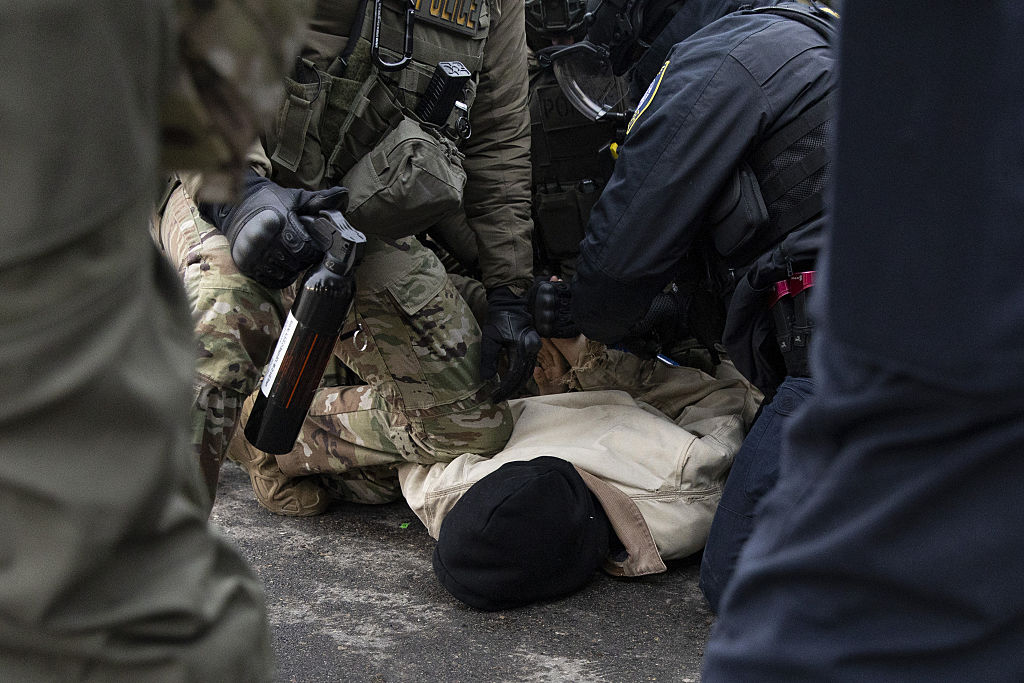
“Vehicle rammings” is the phrase DHS is using to close the argument.
The language mirrors the justification Homeland Security is using to defend the shooting, that a vehicle was being used as a deadly weapon.
By invoking the same alleged threat in response to criticism, DHS links dissent back to the original incident. Vehicles are framed as lethal weapons. The shooting is framed as necessary. And criticism of the shooting is framed, by the government, as contributing to the danger officers face.
The implication of that framing is significant. It goes beyond defending an officer’s actions and positions public criticism, including from artists, as a contributing factor in violence.
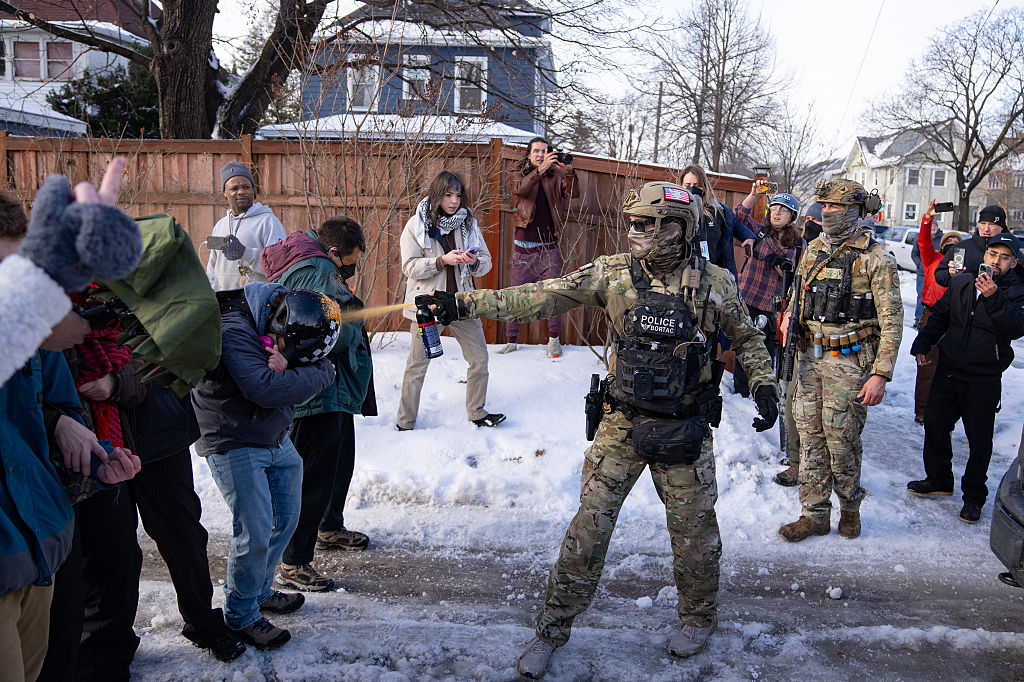
Billie Eilish amplified a debate that was already raging.
Eilish did not originate public backlash over the Minnesota shooting. She amplified concerns that were already circulating widely online.
Following the incident, she shared posts critical of ICE and the agency’s conduct, echoing arguments made by activists, commentators, and members of the public who had already watched and dissected the video. In one repost, Eilish backed language calling ICE a ‘terrorist group’, a phrase Homeland Security later pushed back against.
Her involvement ensured wider attention and sharper backlash.
For supporters of DHS, her comments were cited as an example of irresponsible celebrity activism. For critics, the government’s response appeared to shift scrutiny away from a disputed killing by targeting a cultural figure with massive reach.
Either way, naming a specific artist rather than speaking in general terms marked a clear change in approach.
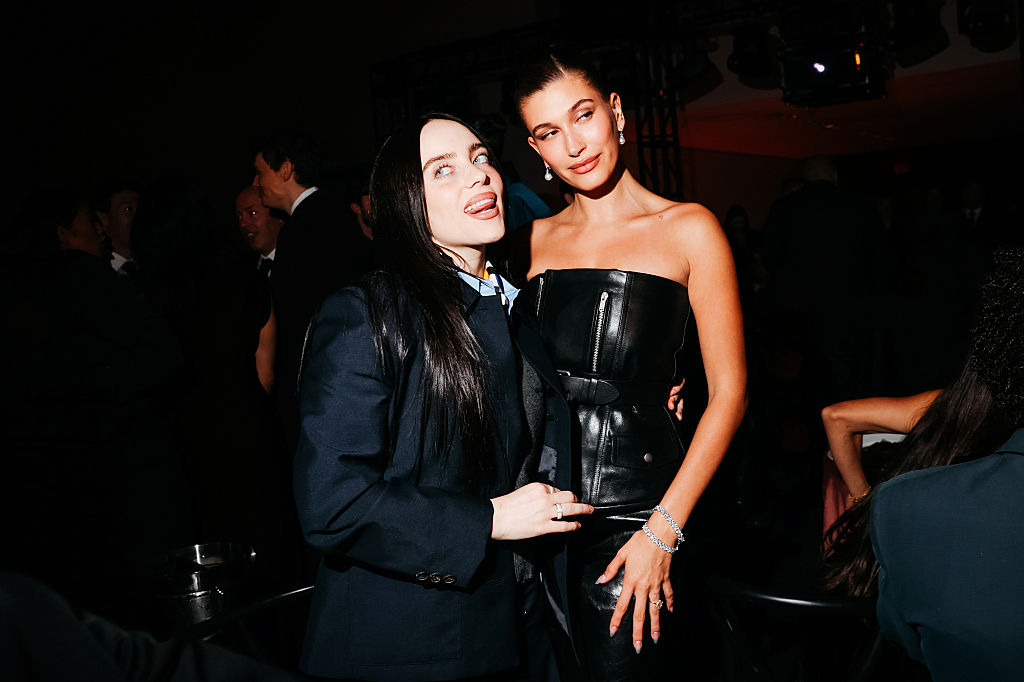
This is how governments typically respond after fatal police shootings.
Authorities defend their agents. They dispute criticism. They assert their version of events.
What stands out in this case is the combination of a disputed killing being declared justified while debate remains unresolved, professional disagreement being dismissed, and public criticism being framed as a public-safety concern.
This feels like a key moment because the government is not only defending a disputed killing. It is escalating the stakes by reframing criticism as a security issue. When DHS names a cultural figure and claims their speech “leads to” violence, the message is no longer simply “we did nothing wrong.” It becomes “if you shape the culture against us, you are responsible for what happens next.”
For many observers, that raises a broader question about accountability, dissent, and where the line is drawn between criticism and threat.
As investigations, expert analysis, and public debate continue, the facts surrounding the Minnesota shooting remain contested. What is clear is that the cultural and political battle around it has intensified, and the distance between law enforcement, politics, and pop culture continues to narrow.
RELATED


MORE IN News