Amy Taylor’s Photo Lawsuit Is Over. Jamie Nelson Says She Can Keep Selling The Images.
Share
The photographer says her dispute with Amyl and the Sniffers’ singer has ended with an agreement protecting covered uses of the photographs. Both sides’ remaining claims have been dismissed, with neither paying the other, according to Nelson.
Amy Taylor agreed to be photographed for Vogue Portugal. When photographer Jamie Nelson later offered pictures from the shoot as fine-art prints and a photo zine, Taylor objected. The singer said she had agreed to a magazine editorial, not those later commercial uses. Nelson said she owned the copyright and was entitled to sell her work.
The Amyl and the Sniffers frontwoman sued Nelson and her studio in December 2025. Nelson and her studio then brought copyright claims of their own within the same case, alleging Taylor and the band company had used the photographs on social media without permission. Taylor and the band disputed those allegations.
A joint stipulation filed on October 29 and reviewed by Blunt confirms that the parties resolved the federal case by agreement. All claims between them were dismissed with prejudice, with each side bearing its own costs and fees. Nelson separately says the agreement requires no payment between the parties.
Nelson says the agreement also contains a permanent promise from Taylor and Amyl and the Sniffers not to sue her over specified uses of the photographs, including their display and sale.
“I didn’t back down. I kept my photographs. And I can continue moving forward with exhibiting, sharing, and selling my art,” Nelson said.
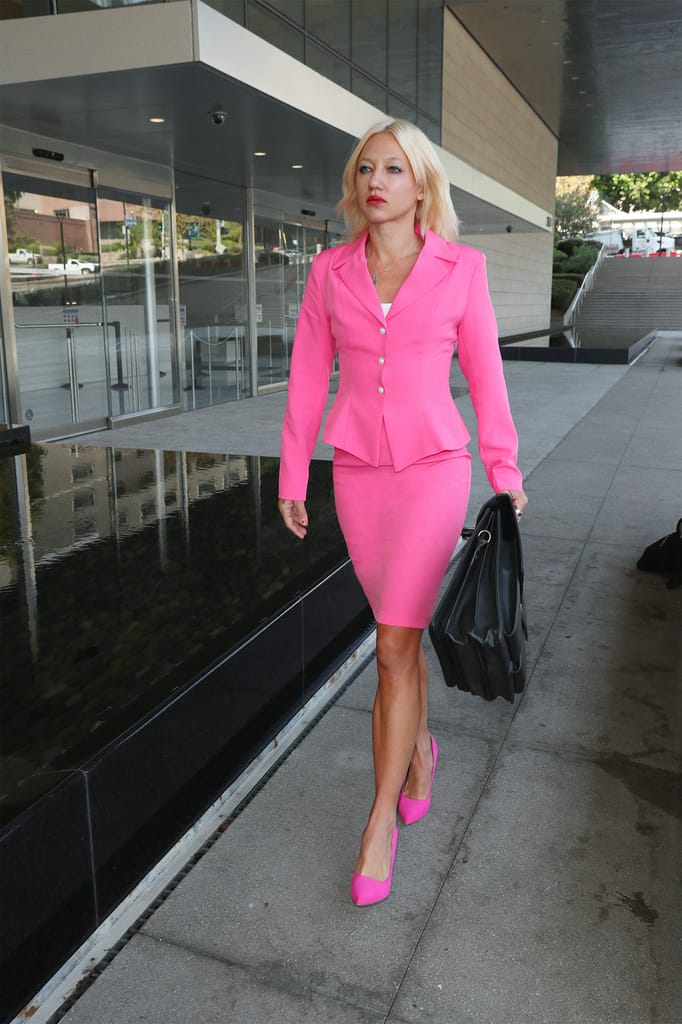
Jamie Nelson leaves Federal Court. Photo: Supplied, Copyright Karl Larsen.
Nelson says the agreement protects her continued sale and display of the covered photographs.
Her statement describes a “Covenant Not to Sue”, a commitment by Taylor and the band not to bring future legal action over the reproduction, distribution, public display and sale covered by the agreement. Nelson describes that commitment as permanent and irrevocable.
According to Nelson, the parties reached the agreement during a court-ordered conference on October 27 before US Magistrate Judge A. Joel Richlin. Both sides also released their claims arising from the dispute.
For Nelson, the practical result is being able to continue activities that Taylor’s lawsuit sought to restrict. It does not follow that every possible use of Taylor’s image is covered. The wording of the covenant, including any conditions or exclusions, determines the reach of that promise.
Blunt has reviewed the filed dismissal stipulation. It does not include the covenant or the full settlement terms, so the description of the promise covering future uses of the photographs remains based on Nelson’s account.
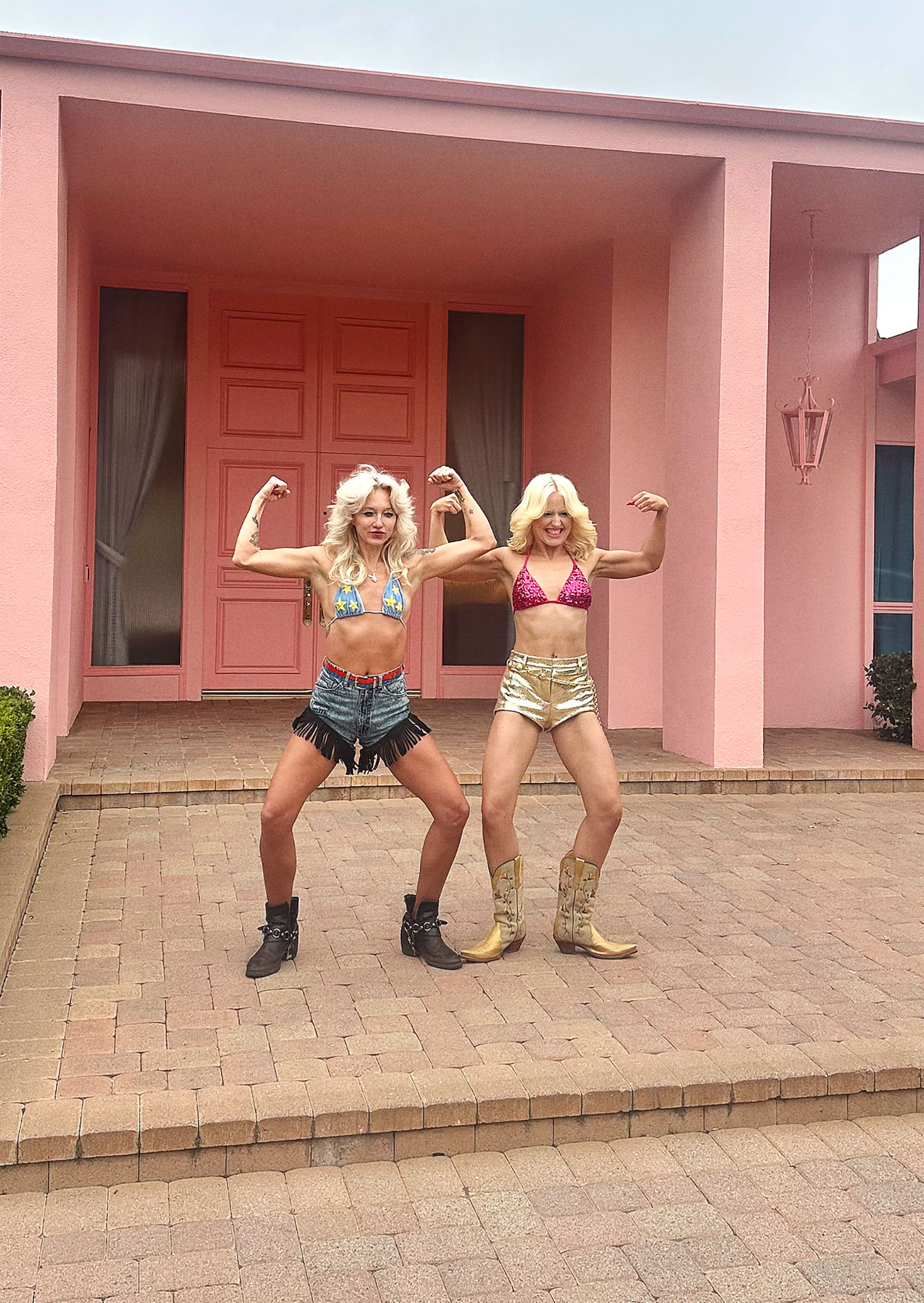
Amy Taylor and photographer Jamie Nelson on the day of the Vogue Portugal shoot that produced the Champagne Problems series. Photo: Jamie Nelson Studios.
The disagreement began over what could happen to the pictures after the magazine shoot.
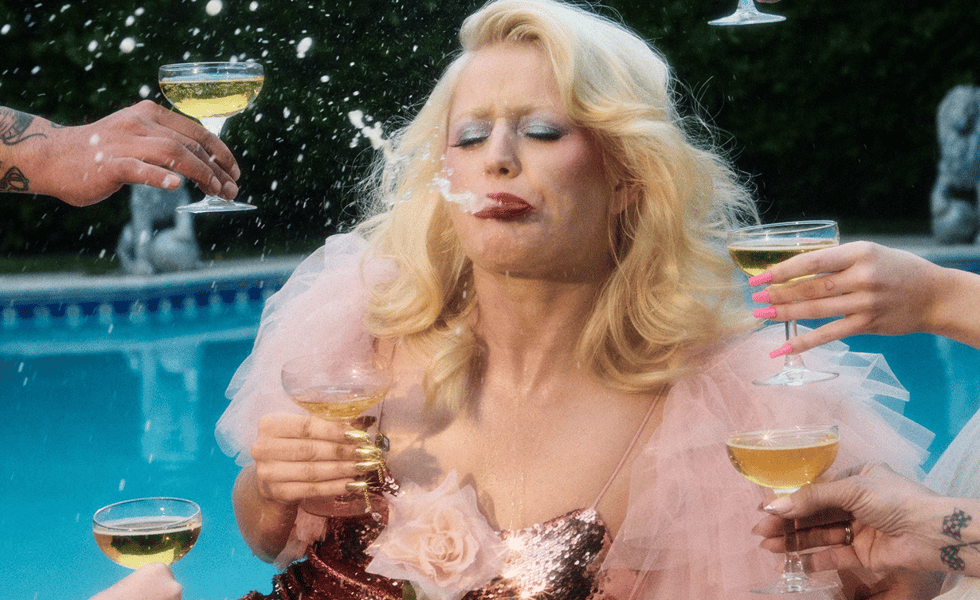
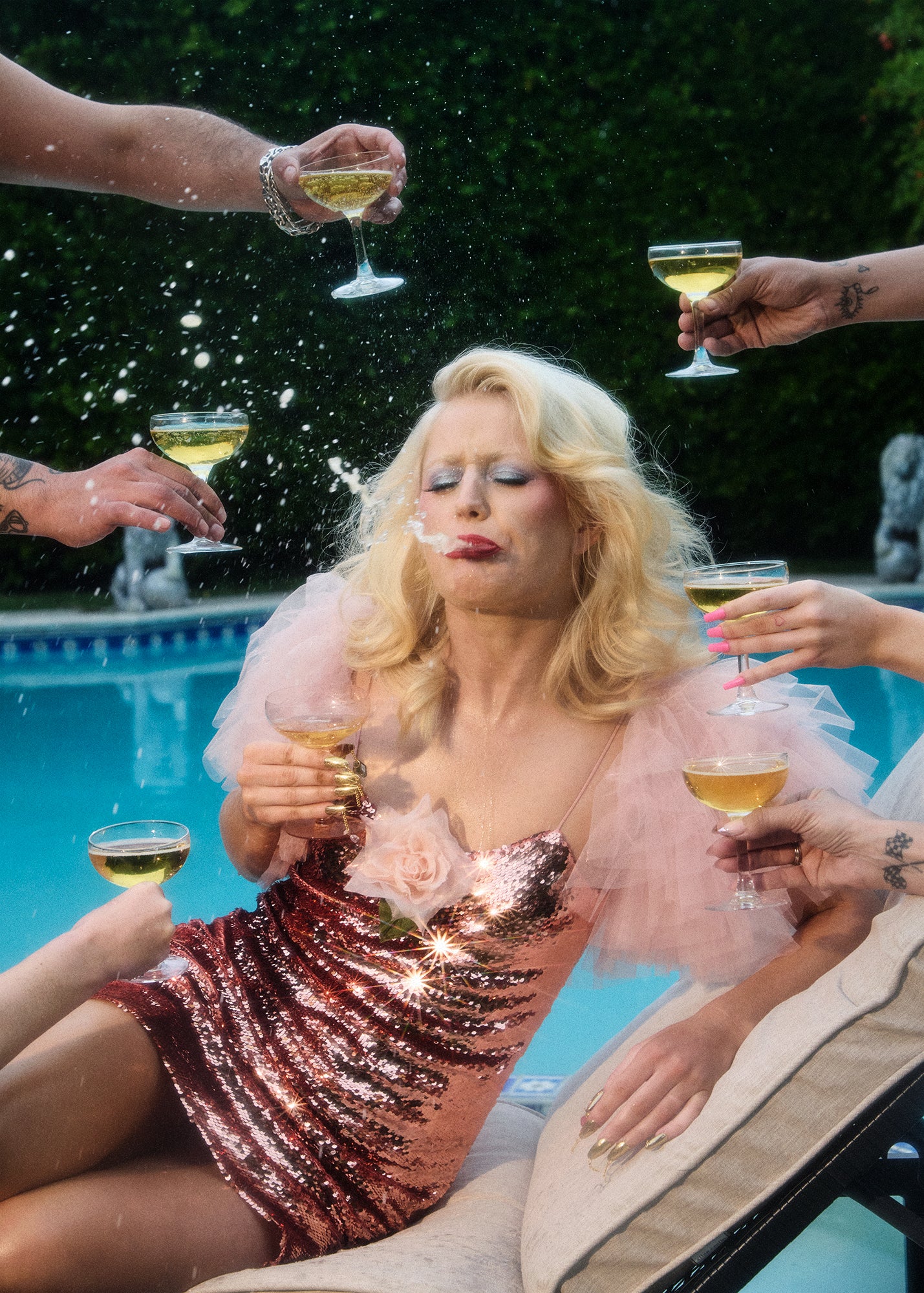
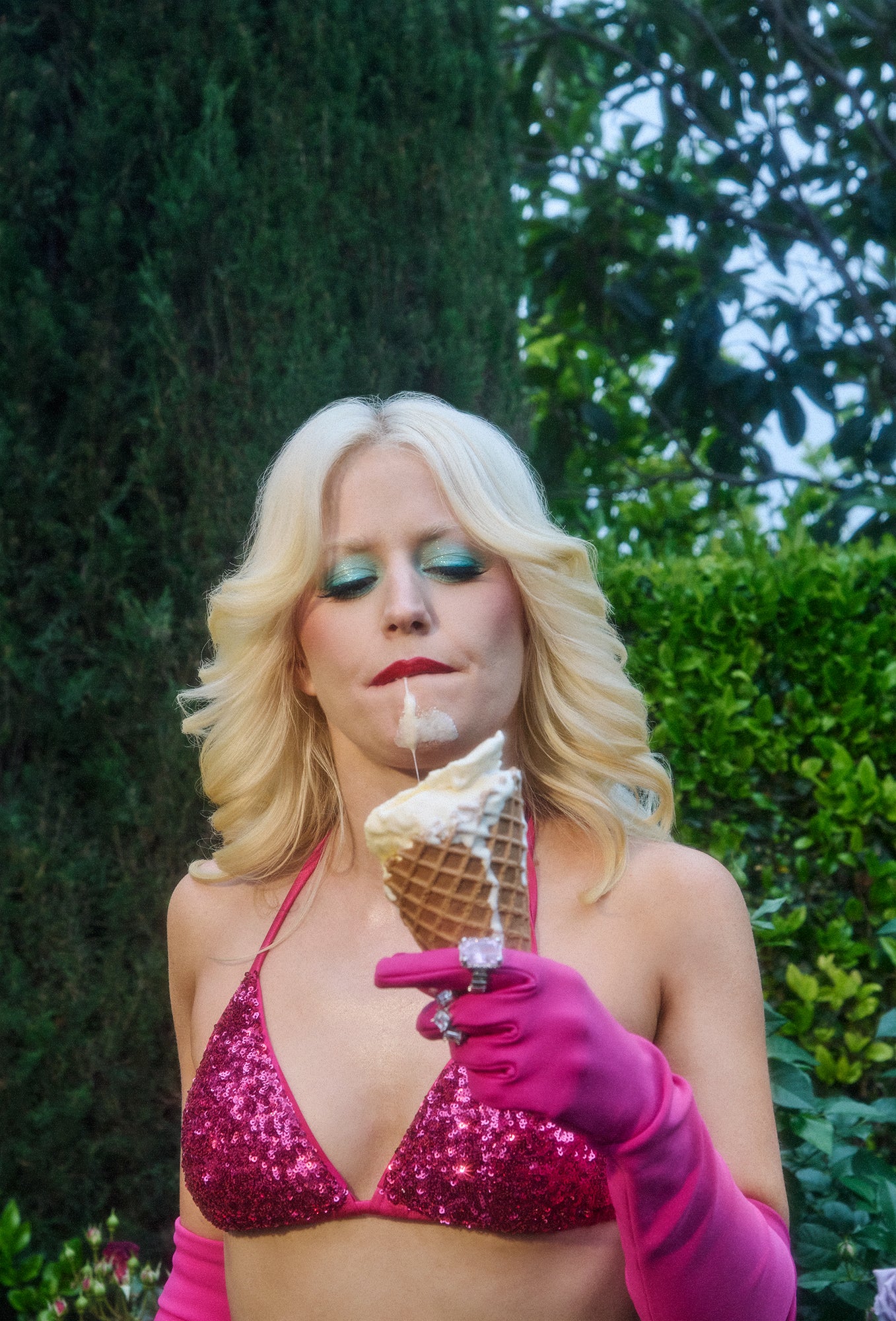
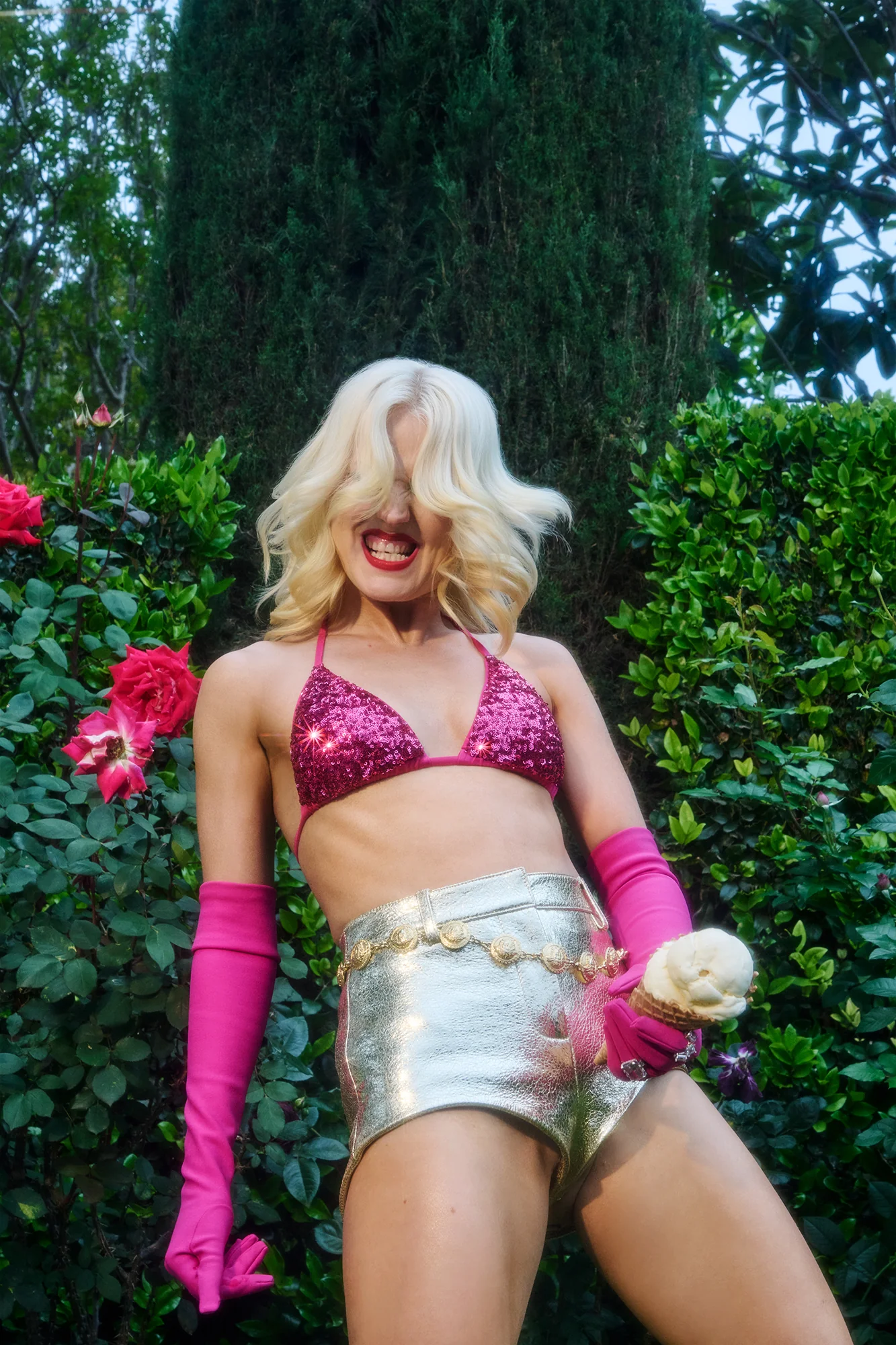
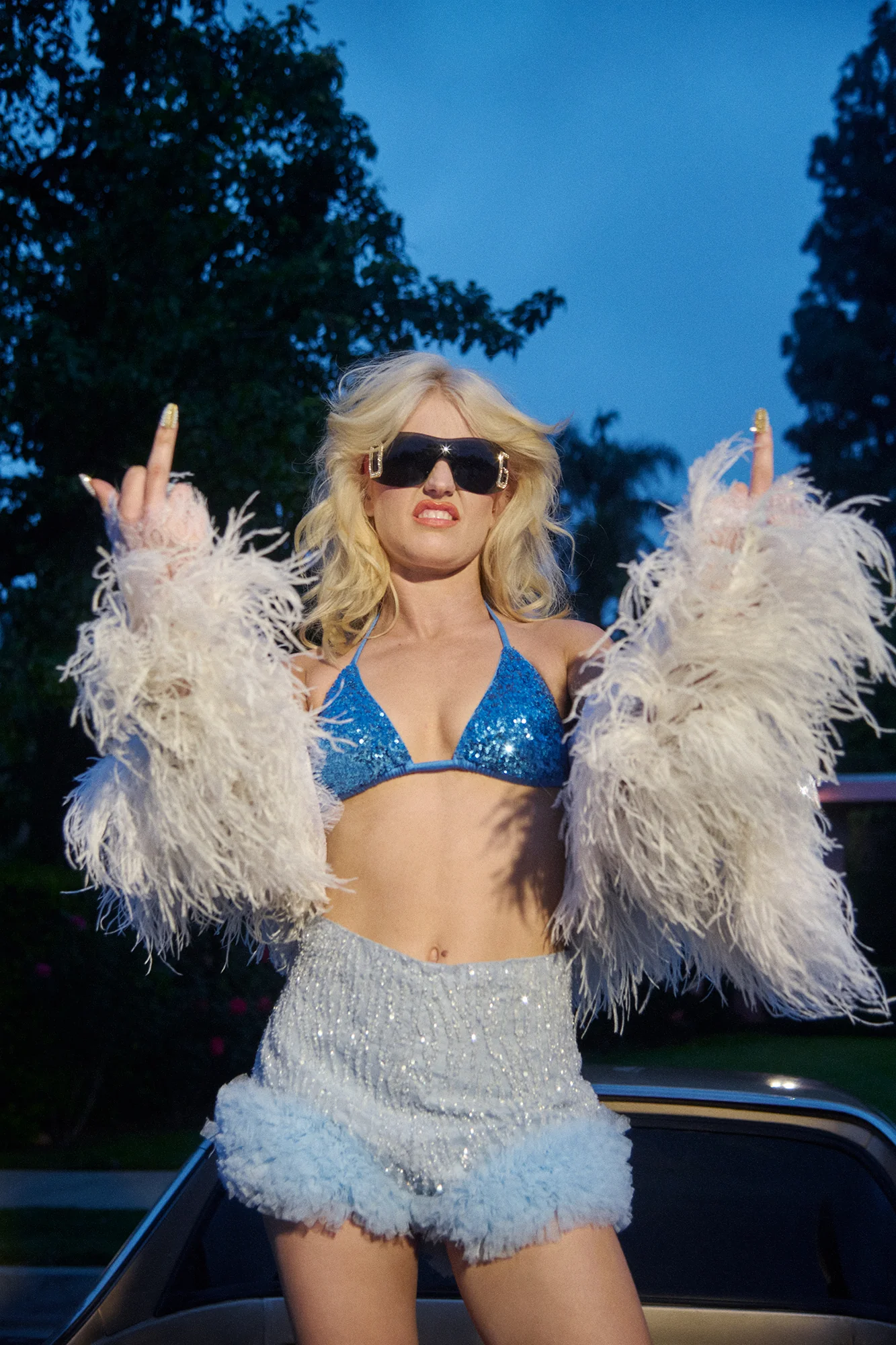
Nelson photographed Taylor in Los Angeles in May 2025, with images appearing in the July issue of Vogue Portugal. She later offered work from the shoot under the title Champagne Problems. In her account, Nelson conceived, financed and produced the shoot herself.
Taylor’s lawsuit said she refused permission when Nelson subsequently proposed selling prints and zines. Her position was that participation in the editorial did not authorise the later commercial use of her name and likeness.
Taylor was not claiming to have taken the photographs or to own their copyright. Her case concerned the uses of her identity and an alleged agreement limiting them. Nelson maintained that the photographs were her artwork and that she had the right to exhibit and earn money from them.
That distinction runs through Blunt’s earlier reporting on Taylor’s image rights. A photograph can be the photographer’s creative work while also depicting someone whose name and appearance have commercial value. The disagreement was over the permission and rights attached to the uses at issue.
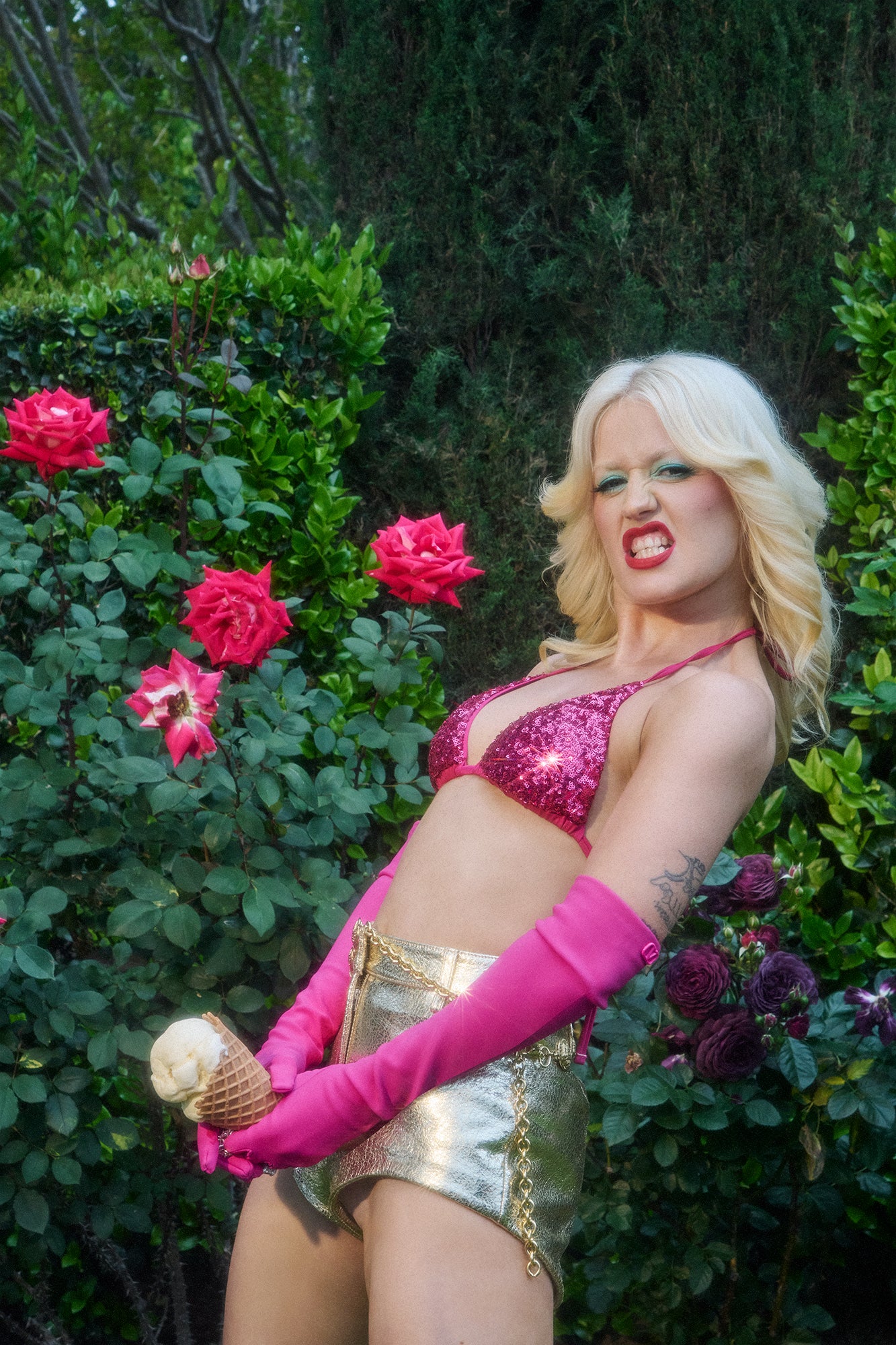
Image: Jamie Nelson — from the ‘Champagne Problems’ series at the centre of the dispute.
Taylor had already lost her federal false-endorsement claim in September.
US District Judge George H. Wu dismissed that claim with prejudice on September 15. Brought under the Lanham Act, it alleged that Nelson’s use of Taylor’s identity falsely suggested the singer endorsed or was associated with Nelson’s products and photography business.
Wu treated the challenged use as part of an expressive work and applied the Rogers test, which protects artistic expression in this context. Taylor’s amended allegations, including comments from fans who assumed the prints were a collaboration, did not establish the explicitly misleading conduct required for that claim to proceed.
But the September decision did not dismiss Taylor’s entire lawsuit. Her two California publicity-rights claims and implied-contract claim remained in the federal case. Wu found that copyright ownership did not necessarily dispose of her allegations about commercial use of her identity.
The court also rejected Amyl and the Sniffers Pty Ltd’s challenge to US jurisdiction. The company, a separate party from Taylor, had sought to have Nelson’s claims against it dismissed on that ground. Taylor’s separate argument that Australia was the more appropriate place to hear the counterclaims failed too.
The October agreement described by Nelson ends the remaining dispute through mutual releases and dismissal. It is a different development from the September ruling rejecting Taylor’s federal endorsement claim, rather than a further judgment that every remaining allegation was unfounded.
Nelson’s claims against Taylor and the band are part of the reported dismissal too.
Her copyright counterclaims alleged unauthorised use of the photographs on social media. In September, the court dismissed the infringement claim because it did not sufficiently allege infringement within the United States, while allowing Nelson and her studio to amend it. Their separate request for a declaration of their rights over the photographs survived.
Nelson’s new statement says all remaining claims and counterclaims have now been dismissed with prejudice. Her side is therefore ending its claims as well as defending against Taylor’s. The reported agreement should not be confused with a court finding that Taylor or the band infringed Nelson’s copyright.
Nelson describes the outcome as a victory for her ability to keep making a living from the work.
“I am proud that I stood up for myself, proud of the work I made, and grateful to everyone who supported me through this process. I hope the next photographer who finds themselves in a similar position knows that their work is worth defending.”
She says she plans to continue advocating for photographers’ rights. For this dispute, her stated outcome is specific: she keeps her photographs, both sides end their claims, and Taylor and the band promise not to sue over the uses covered by their agreement.
Jamie Nelson’s ‘Champagne Problems’ series featuring Amyl and the Sniffers frontwoman Amy Taylor. Jamie Nelson’s ‘Champagne Problems’ series featuring Amyl and the Sniffers frontwoman Amy Taylor. Jamie Nelson’s ‘Champagne Problems’ series featuring Amyl and the Sniffers frontwoman Amy Taylor.