Over the past month a strange legal dispute has been quietly unfolding between Amyl and the Sniffers frontwoman Amy Taylor and a Los Angeles fashion photographer named Jamie Nelson.
You may have seen fragments of the story popping up here and there. A court filing. A restraining order request. Something about copyright and a Vogue shoot.
But if you’ve been wondering what the whole thing is actually about, the answer is surprisingly simple.
It’s about a photoshoot.
More specifically, it’s about what happened to those photos after the shoot was finished.
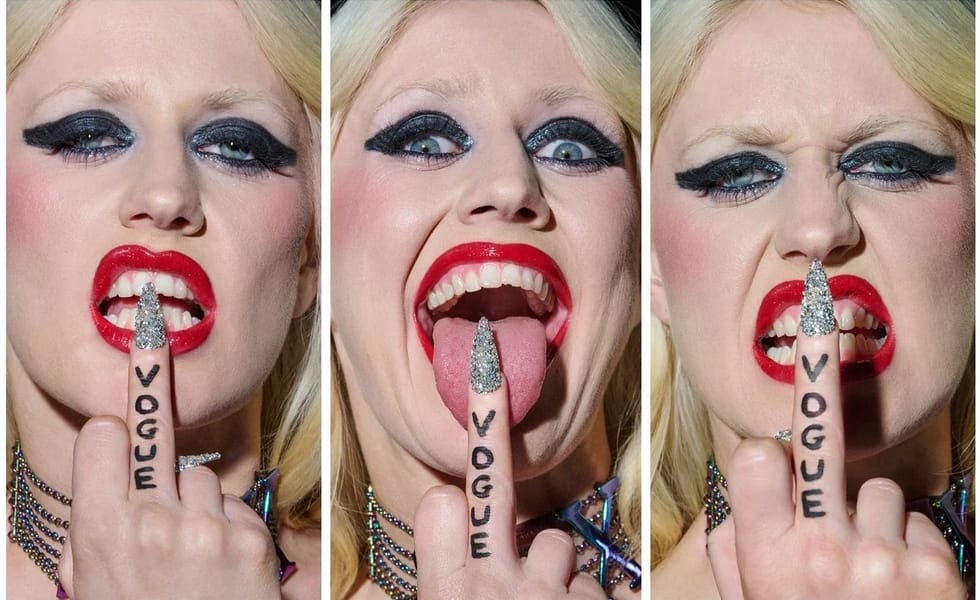
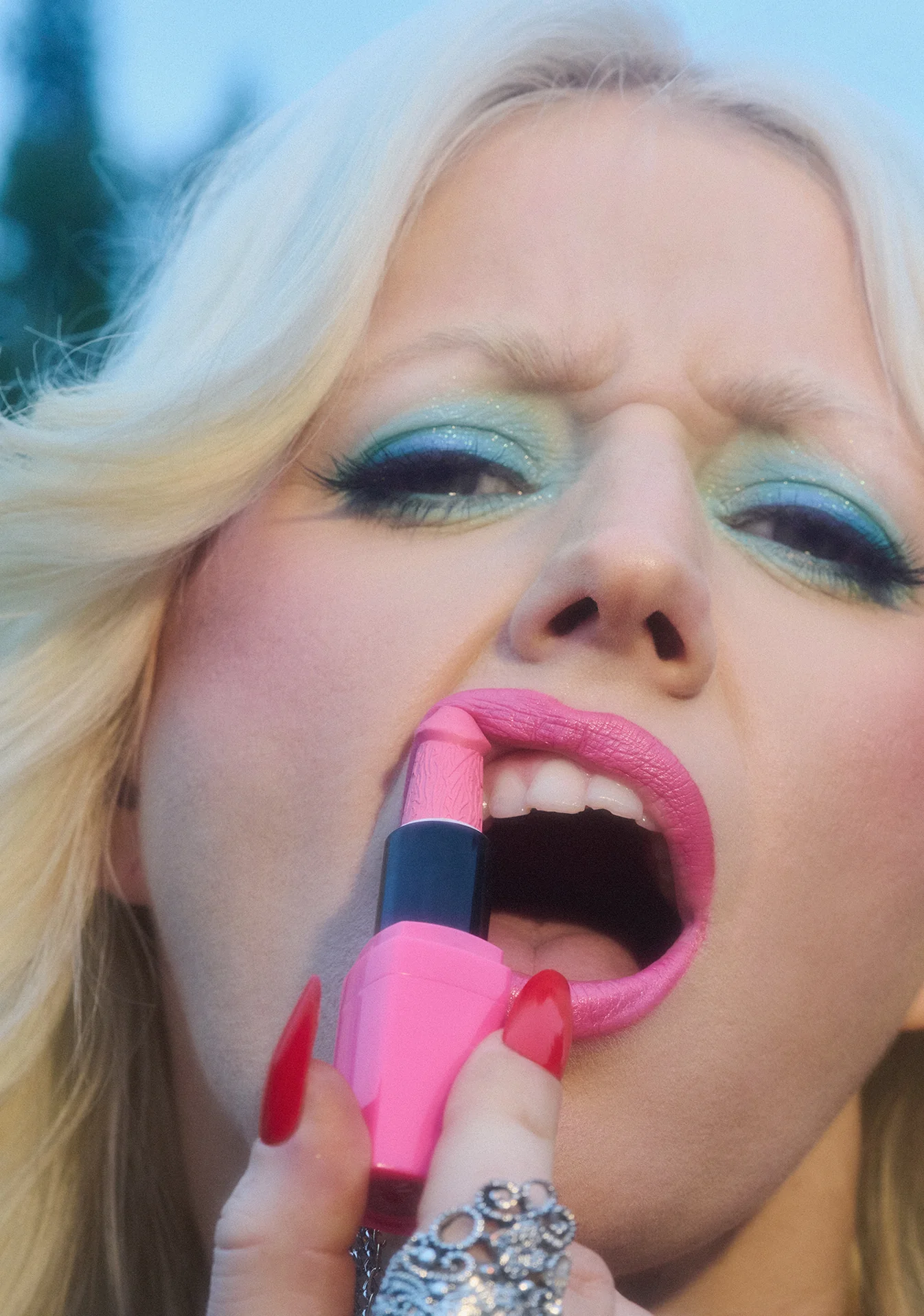
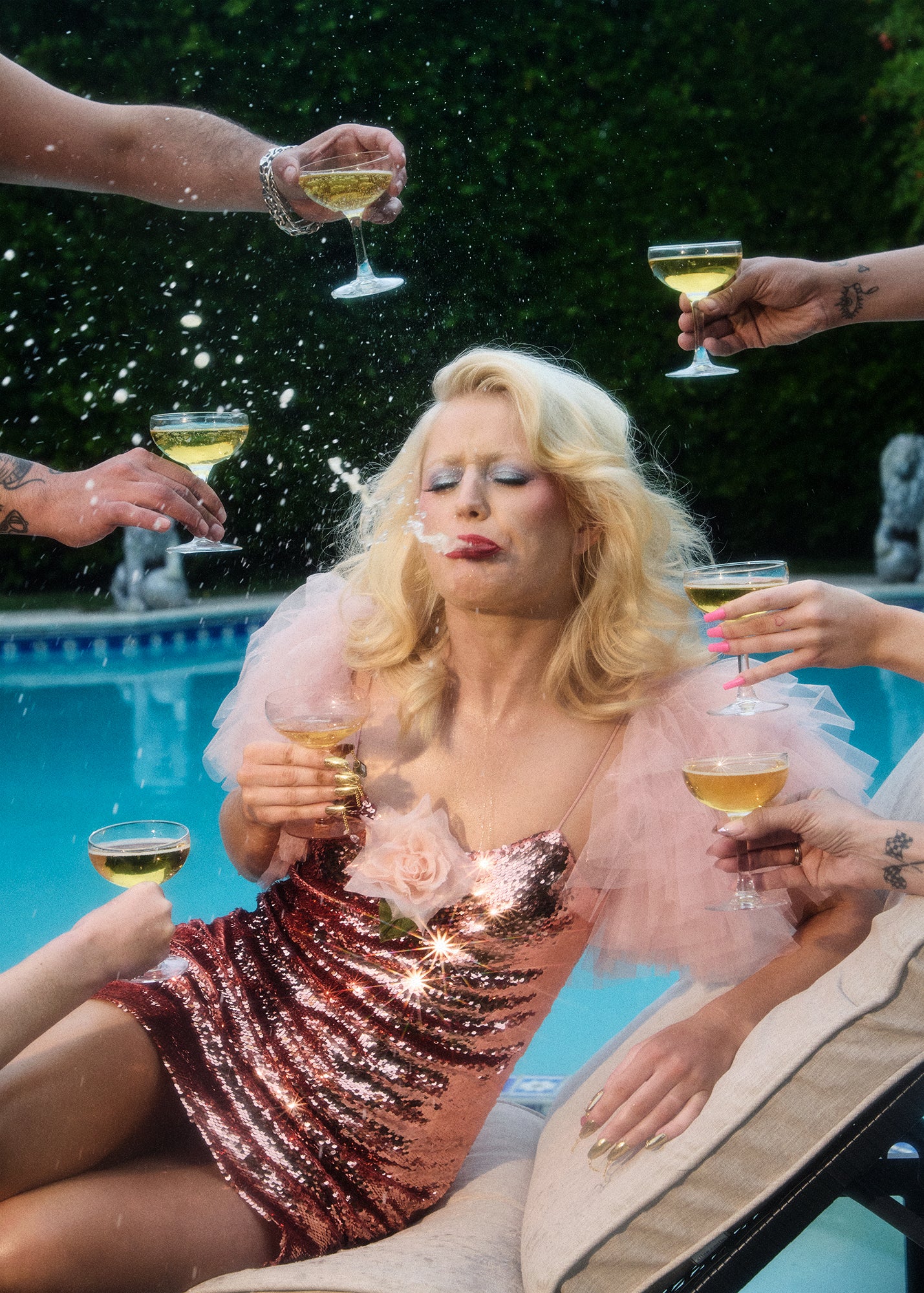
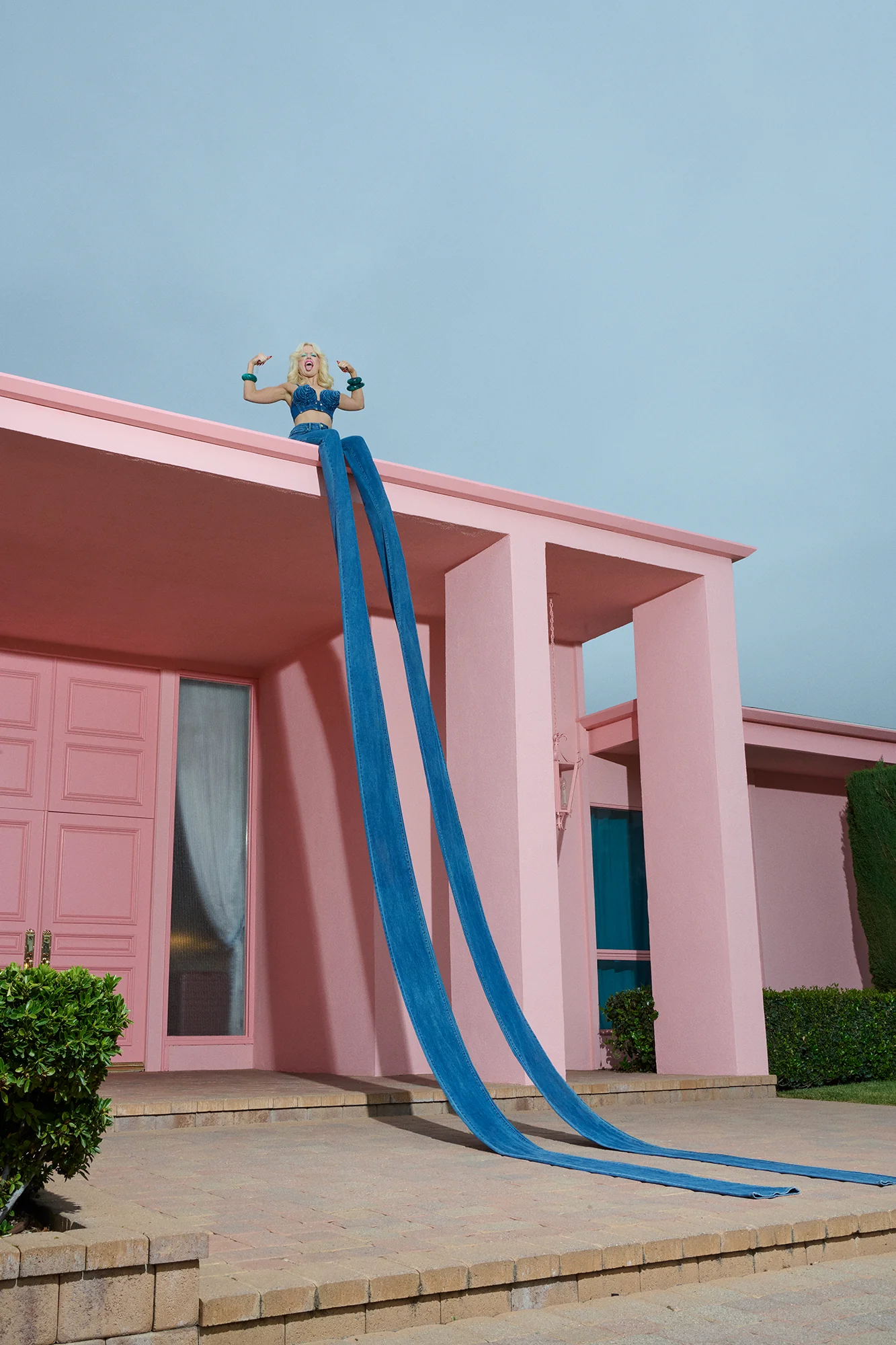
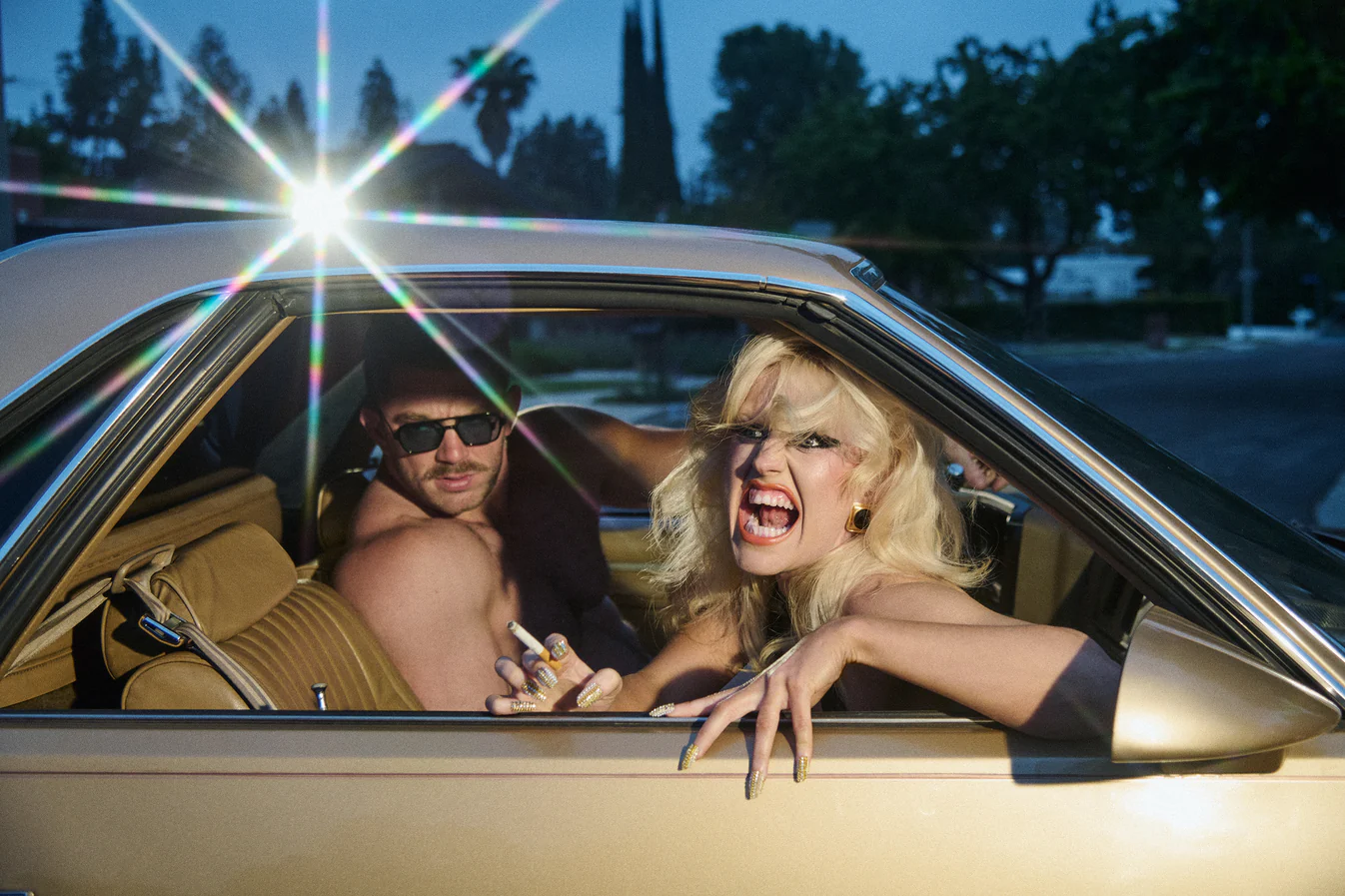
The images at the centre of the dispute come from a 2025 shoot for Vogue Portugal, photographed by Nelson and featuring Taylor in a highly stylised series later titled Champagne Problems.
And once you see the photos themselves, the situation starts to make a lot more sense.
Jamie Nelson is not just a photographer in the traditional magazine sense. She has built a whole visual world around herself, complete with a highly stylised Los Angeles home and studio often referred to as her “Pink Palace”.
That matters here, because these images don’t look like standard band press shots. They look like they belong to a much larger visual universe, one that sits somewhere between fashion editorial, celebrity portraiture and fine art photography.
That’s part of what makes this dispute so unusual.
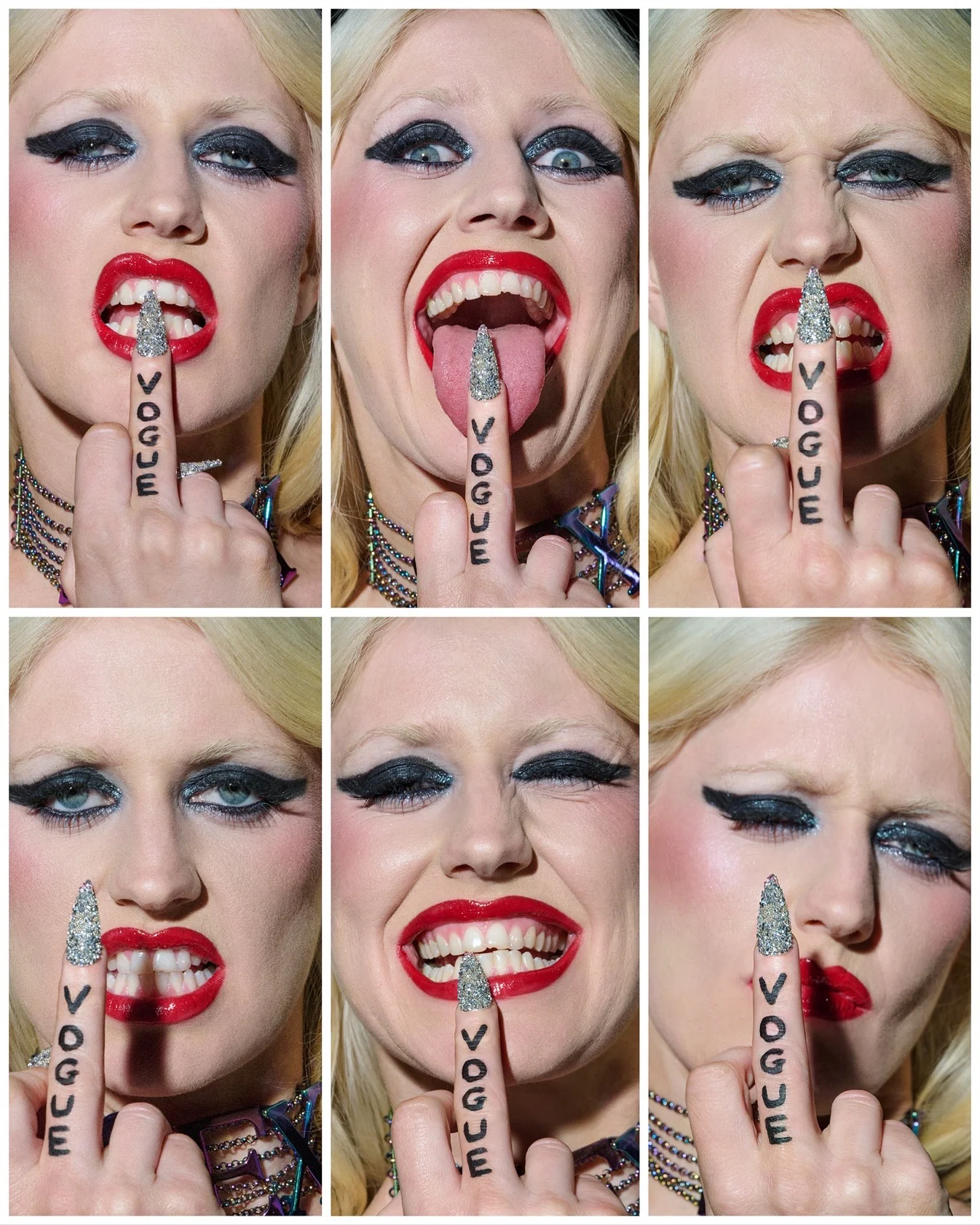
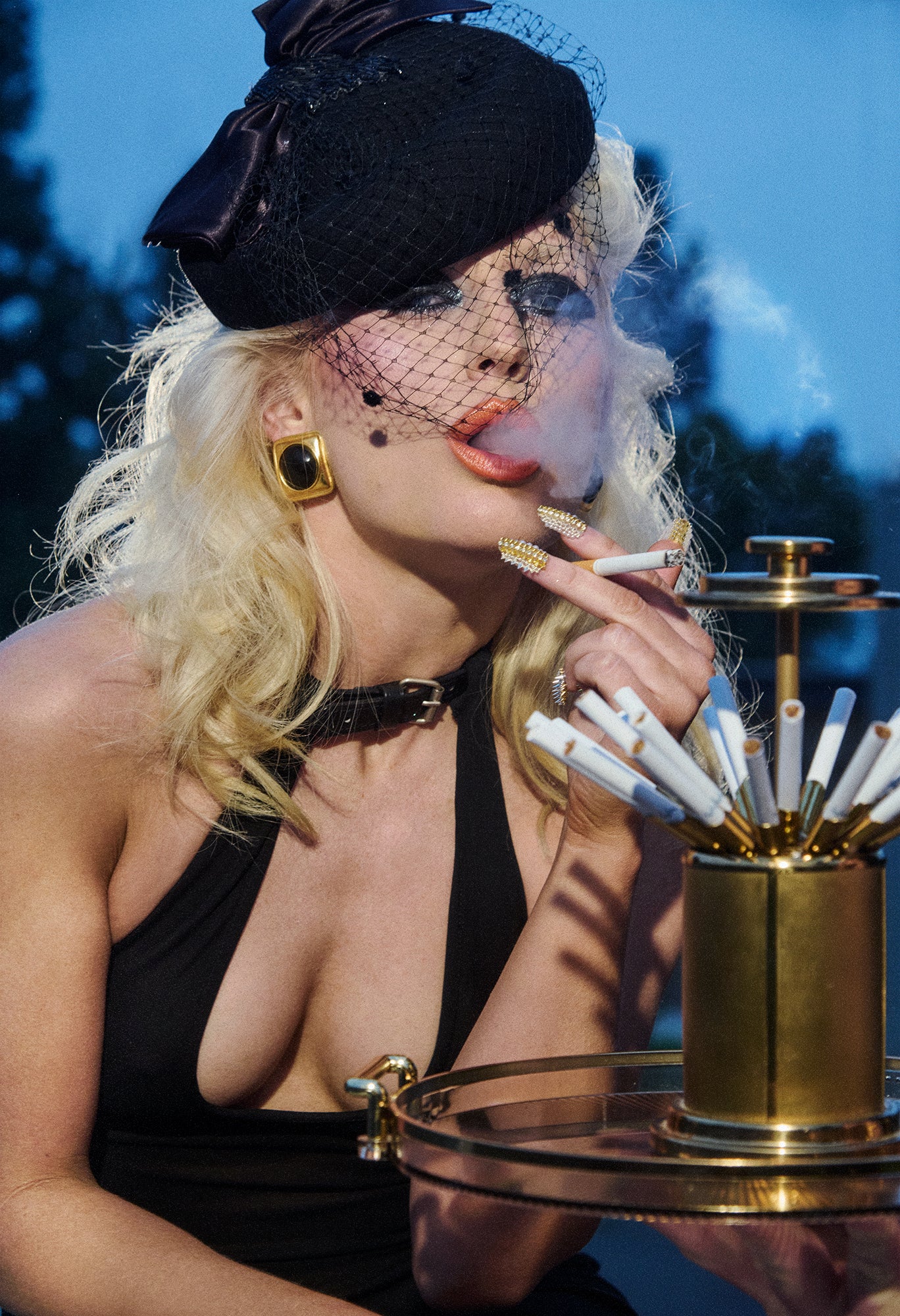
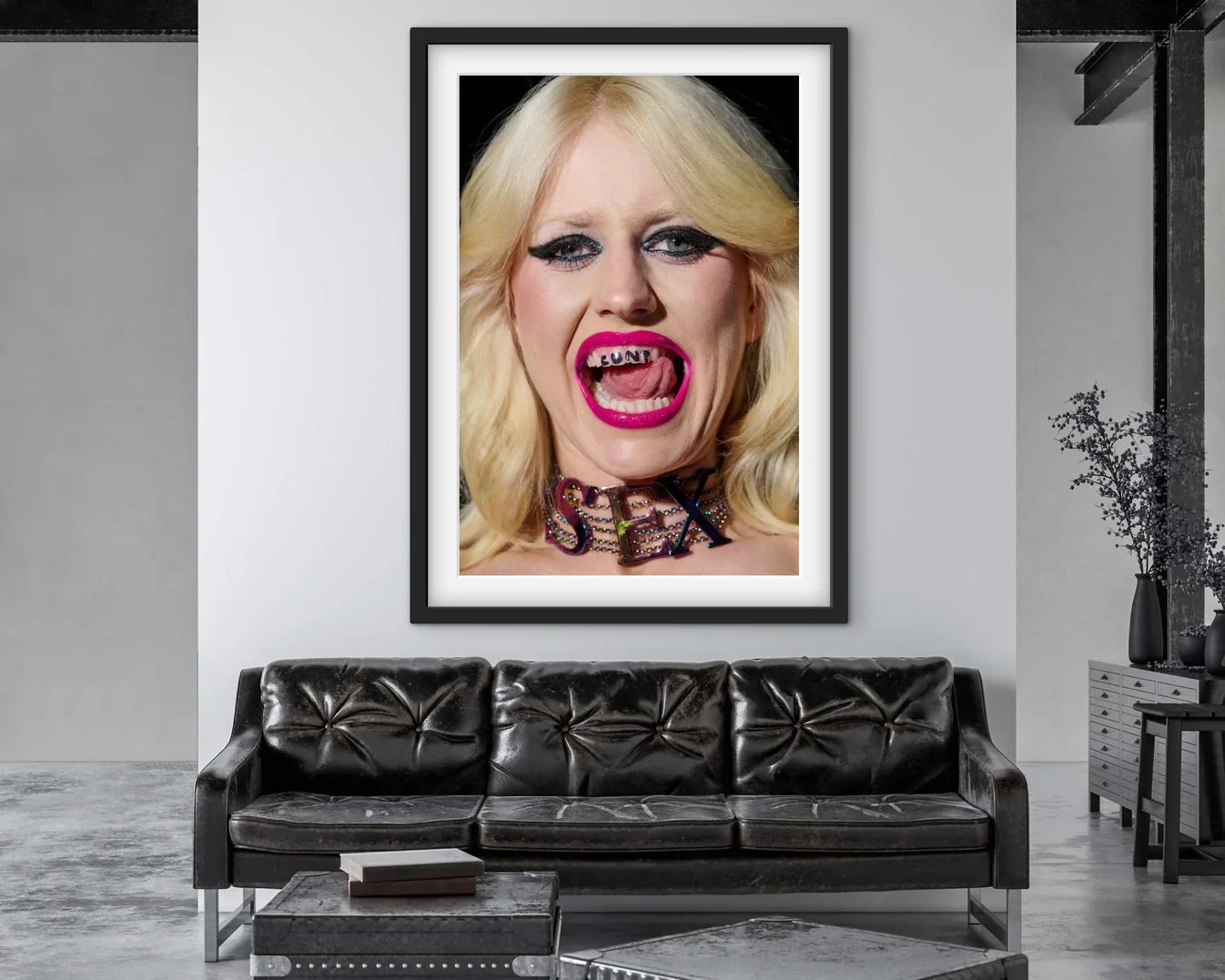
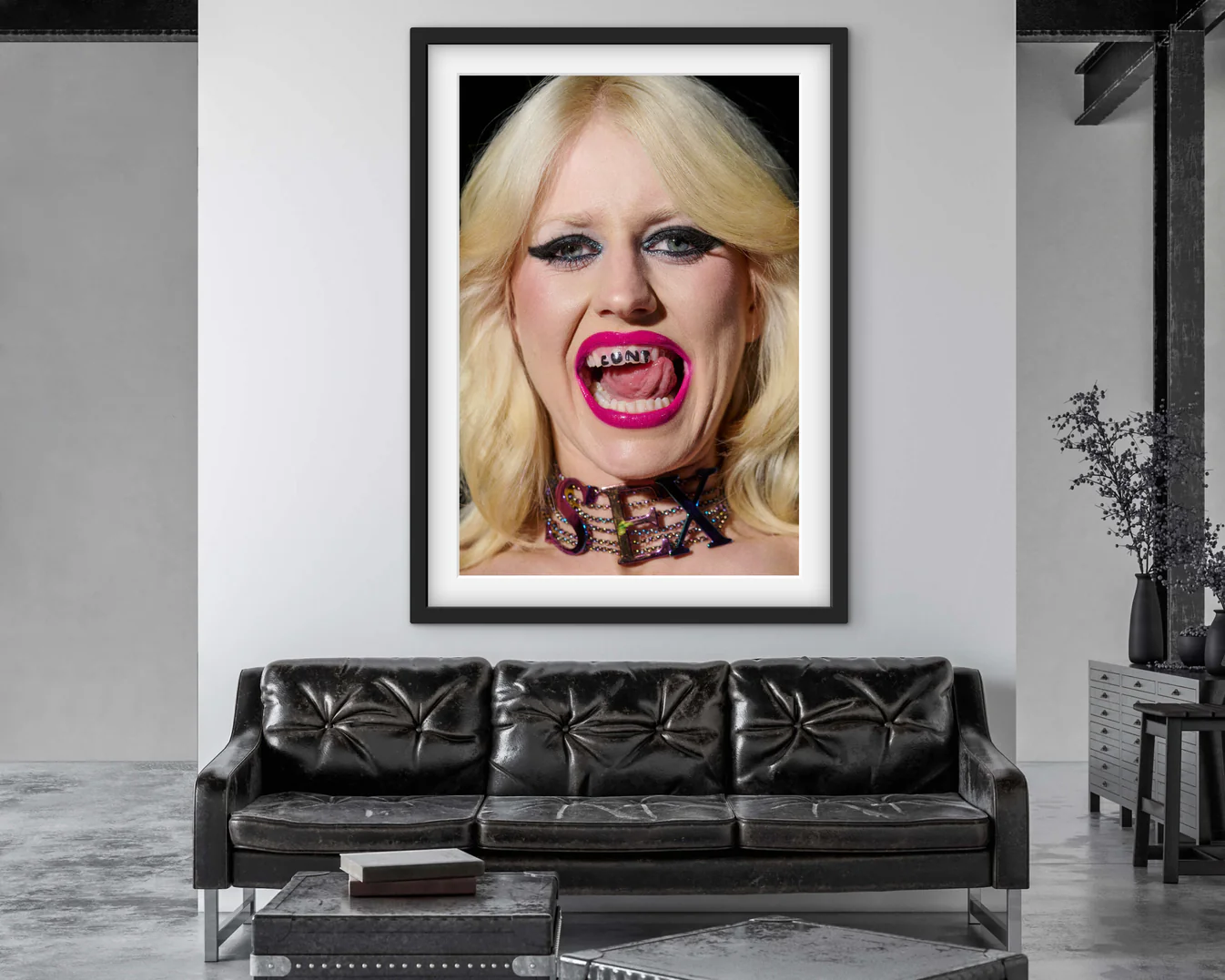
The photos of Taylor were originally shot for Vogue Portugal in 2025, but they didn’t just stay there. Nelson later presented them as part of a large fine art series titled Champagne Problems, with individual works listed for sale on her website as limited edition prints.
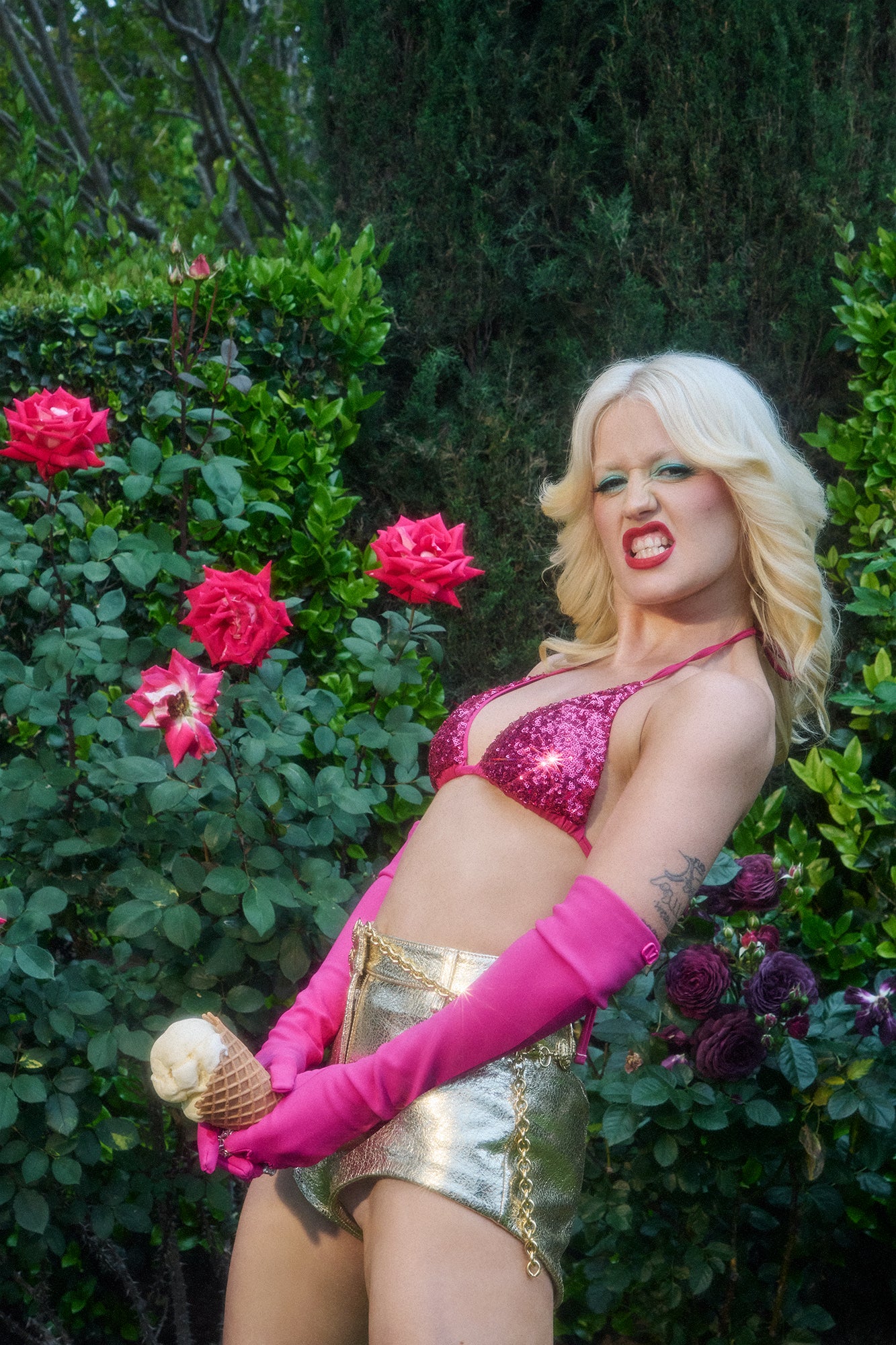
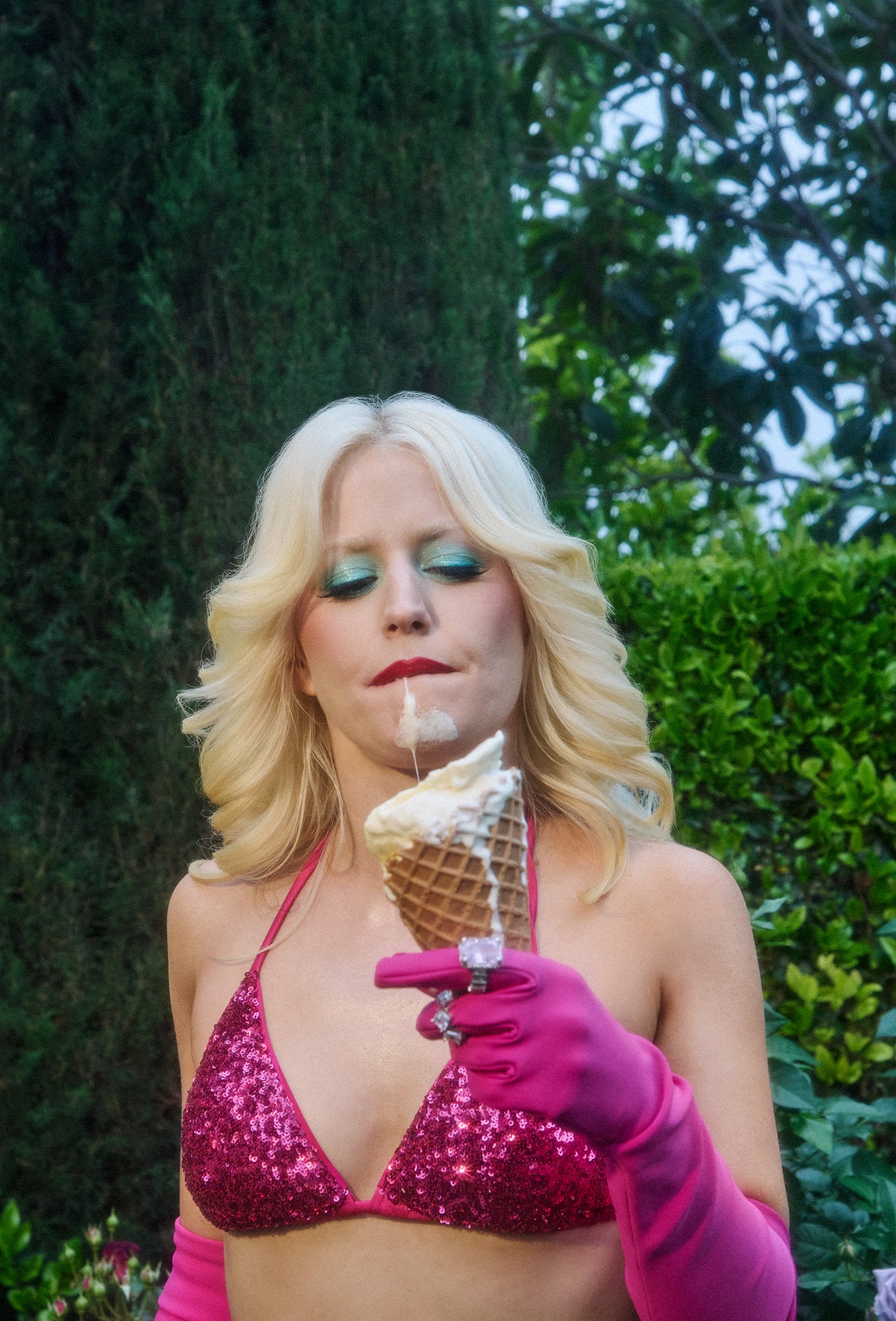
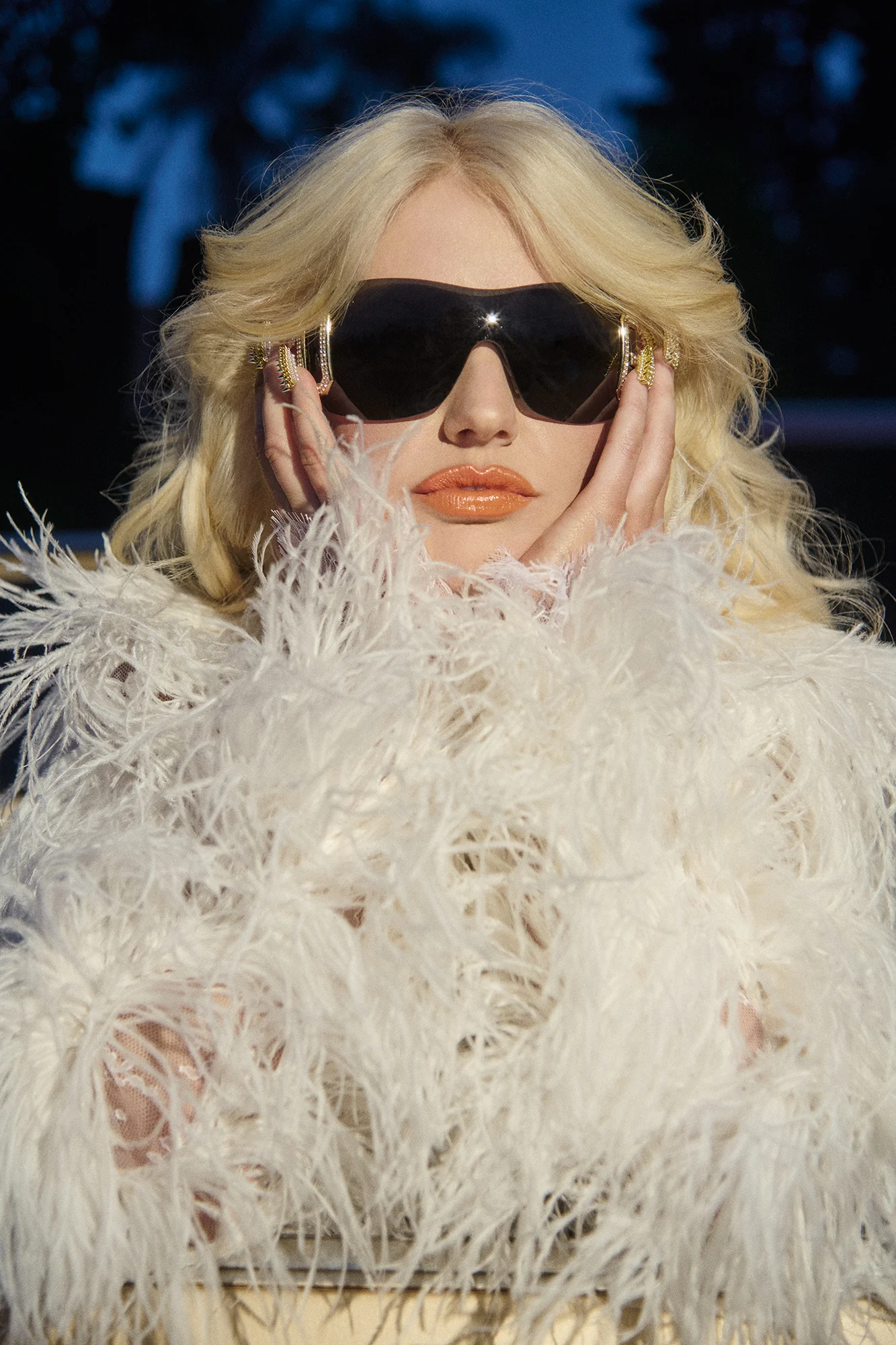
And this wasn’t just a couple of leftovers from a magazine shoot. There are dozens of images in the series, many of them tightly framed, highly stylised, and in some cases overtly provocative.
That’s where things started to get complicated.
According to Nelson, she created the Champagne Problems series and holds the copyright to the images from the shoot. In statements surrounding the case, she has described herself as the creator and sole copyright holder of the photographs.
The situation escalated after one of the images from the series was shared publicly online by a third party connected to Taylor. Nelson says that image was posted without her permission.
She responded by issuing cease and desist notices to multiple parties, including Taylor and Amyl and the Sniffers.
From there the dispute moved quickly from a disagreement over image use into a legal battle.
Taylor’s side has argued that no agreement existed allowing the photographs from the Vogue Portugal shoot to be sold as commercial fine art prints.
That disagreement is now at the centre of a federal copyright case in the United States.
When The Legal Fight Started
The dispute eventually moved beyond a disagreement over how the images were being used.
In December, Nelson filed a civil harassment restraining order petition against Taylor in Los Angeles Superior Court. In the filing, Nelson described conduct surrounding the dispute that she said she experienced as intimidating.
Earlier this week the court reviewed that petition and declined to grant the restraining order.
The decision does not resolve the broader dispute between the two sides. A separate federal copyright case connected to the photographs is still ongoing.
A hearing is currently scheduled for March 19, where the court will consider an anti-SLAPP motion related to the case.
In simple terms, the courts have not yet decided who ultimately has the right to control or commercially use the images.
That question is still unresolved.
What This Really Comes Down To
For now, the broader fight over the photographs is still ongoing.
The court’s decision this week only dealt with Nelson’s restraining order request. It did not decide the bigger question sitting underneath all of this, which is who actually has the right to control and commercially use the images from the shoot.
That is where things get murky.
In fashion and editorial photography, it’s not unusual for photographers to retain copyright in the images they shoot. But once those images move beyond a magazine page and into a fine art print series, the stakes change. What might begin as an editorial commission can suddenly become something much bigger, especially when the subject is a recognisable artist and the images are being sold as artworks in their own right.
That appears to be the argument at the centre of this case.
A Vogue Portugal shoot became a large fine art series. The photographer says she owns the work. Taylor’s side disputes whether the images were ever allowed to be sold that way. The restraining order has been denied, but the copyright fight is still alive.
For now, that part will be decided in court.
More images from Jamie Nelson’s ‘Champagne Problems’ series (c) JAMIE NELSON.
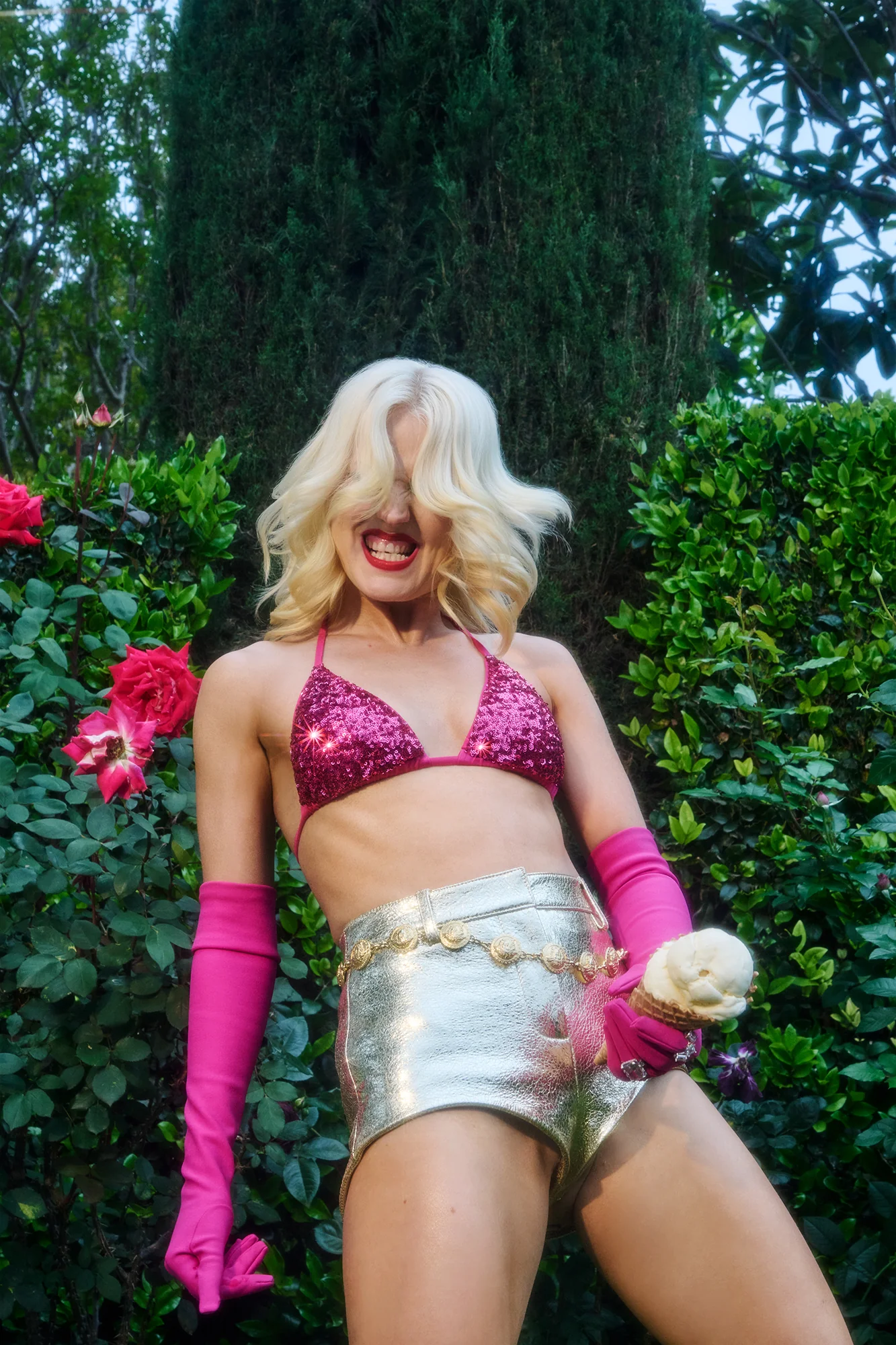
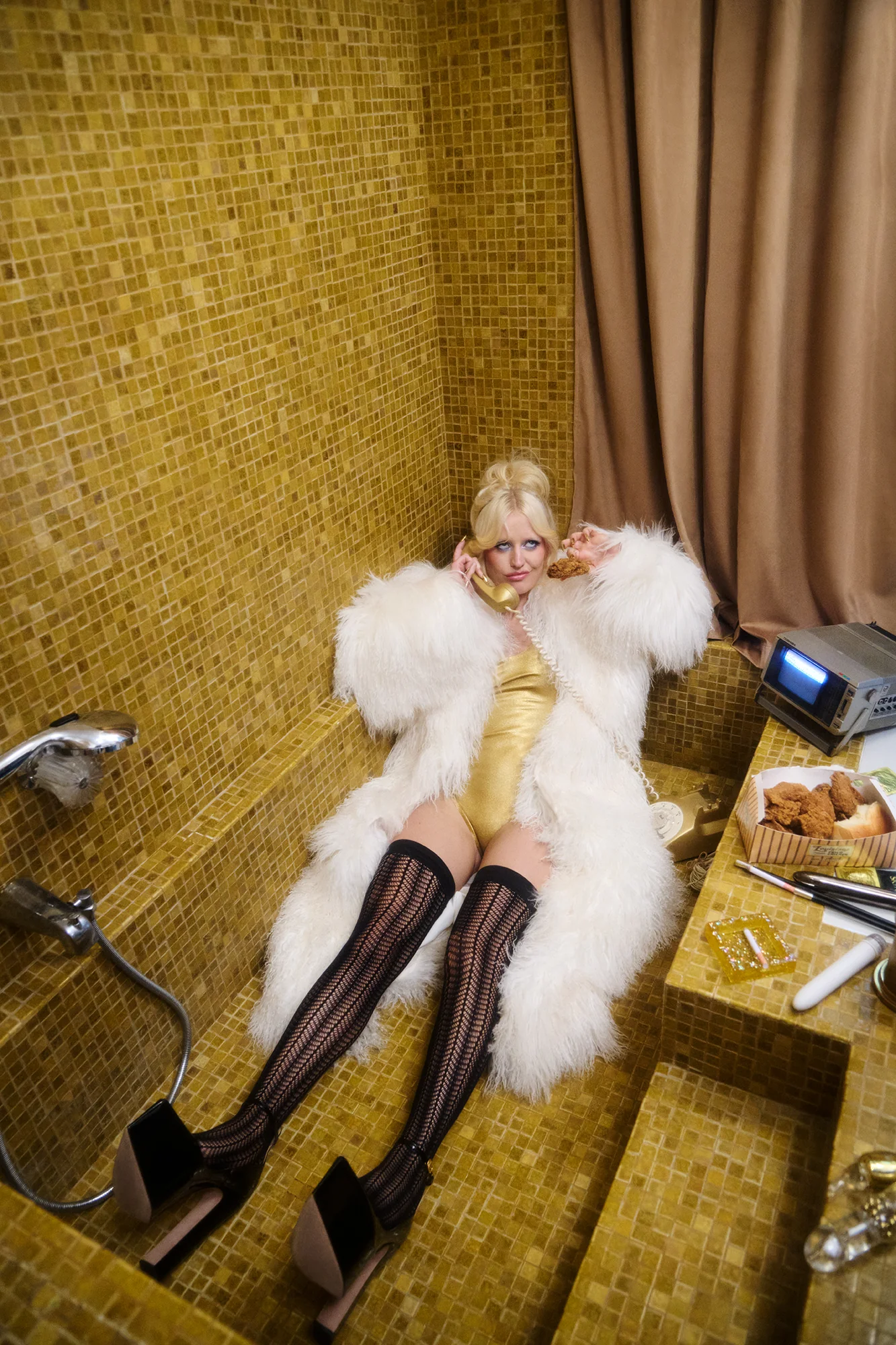
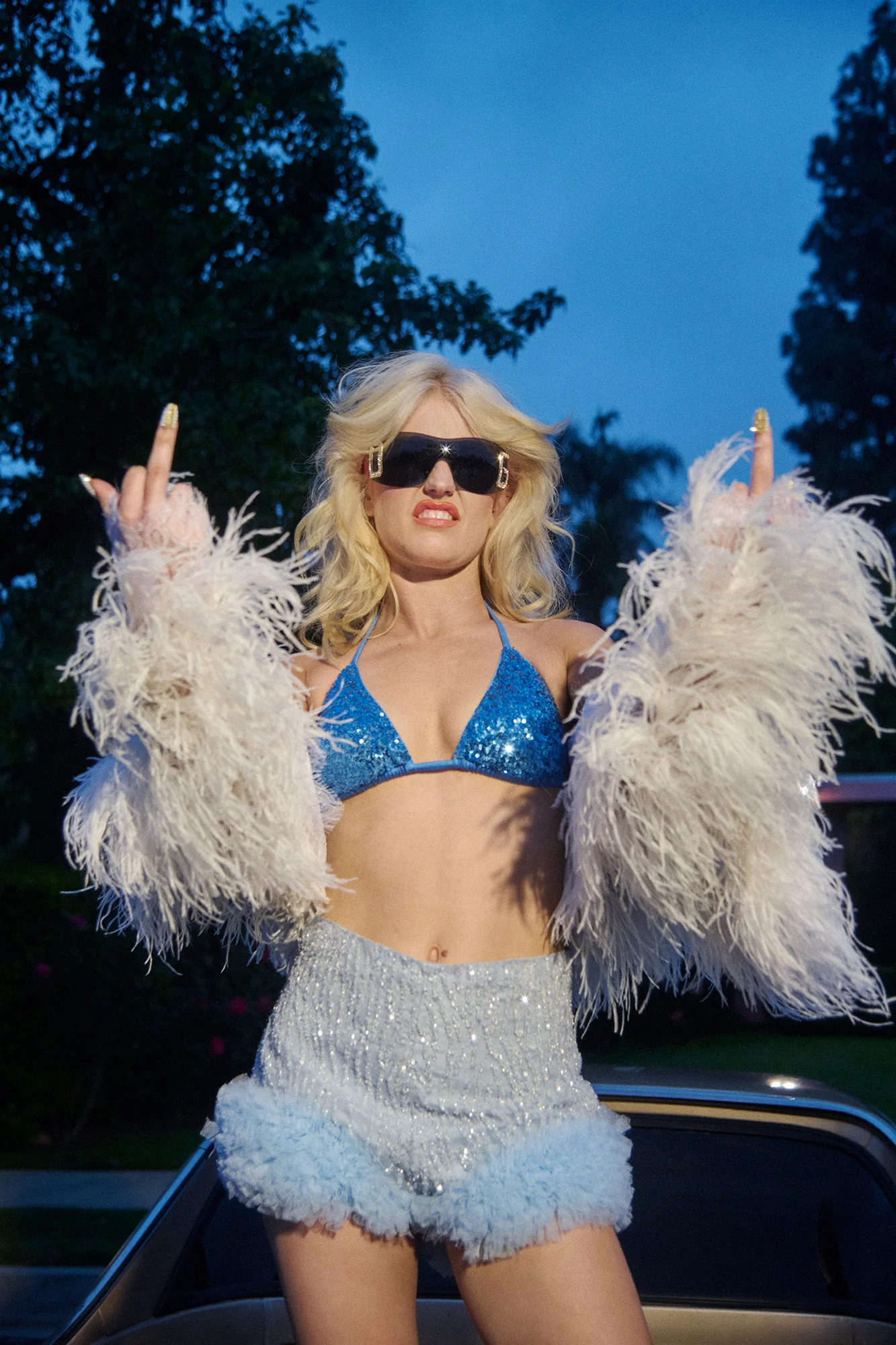
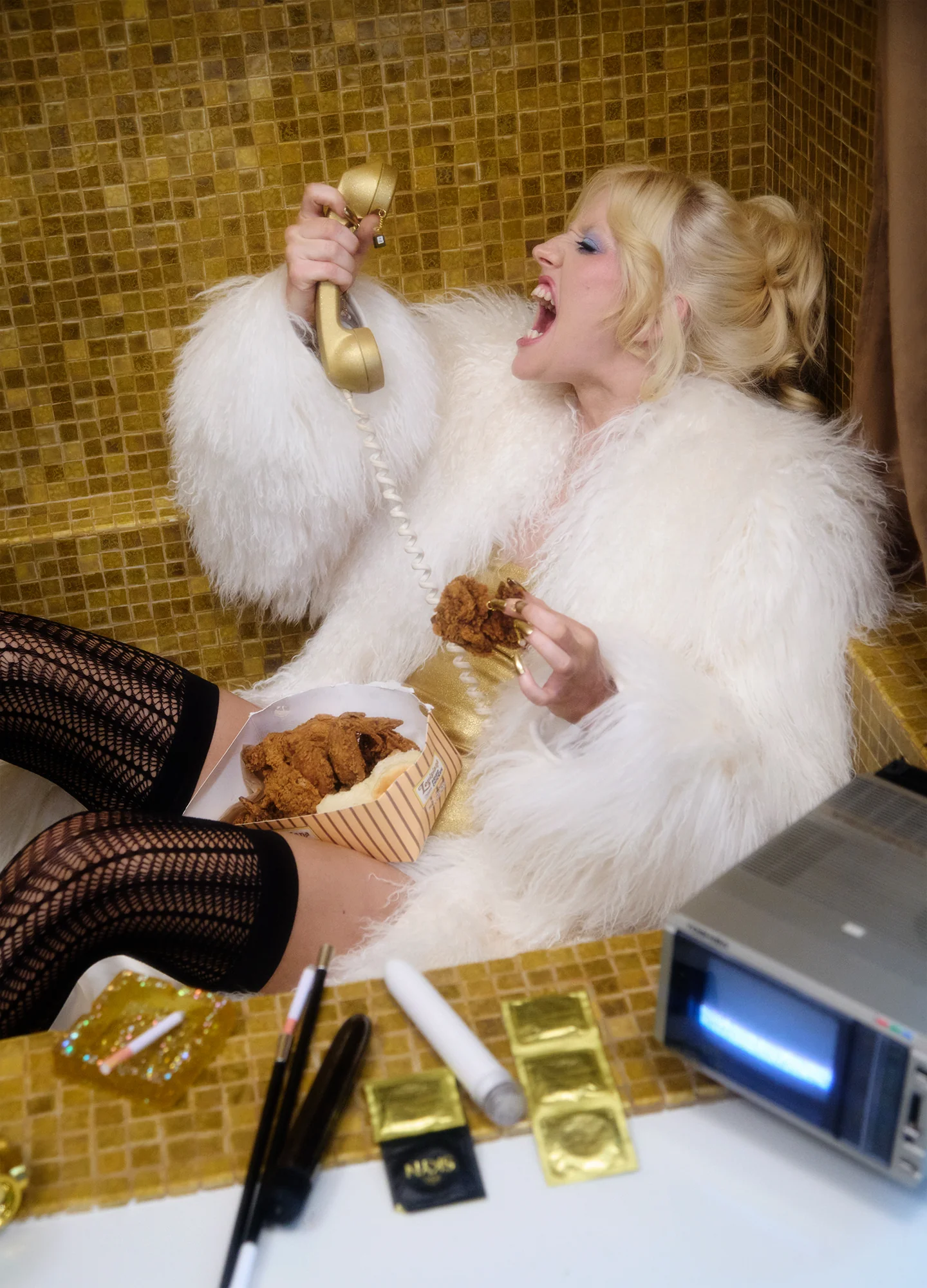
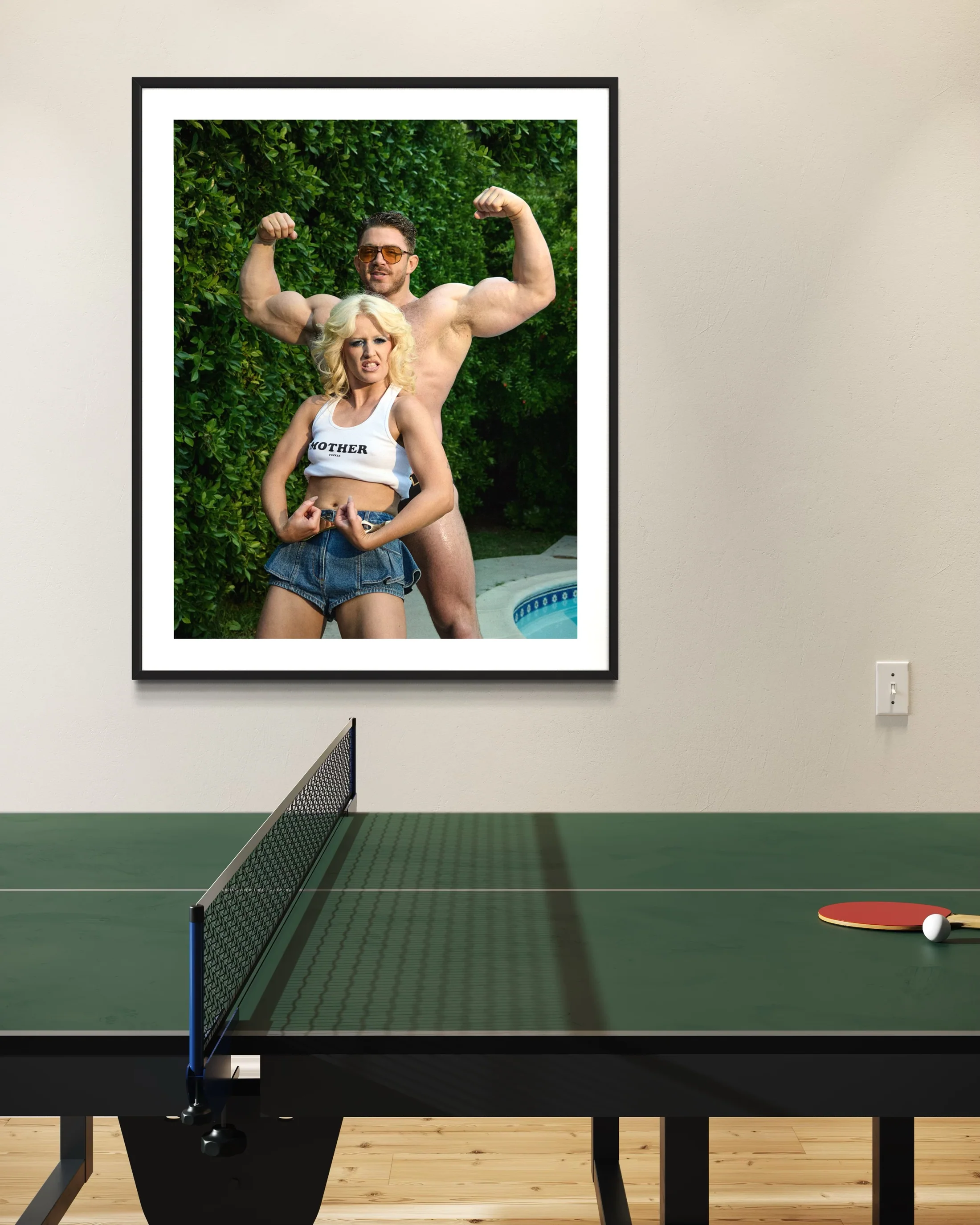
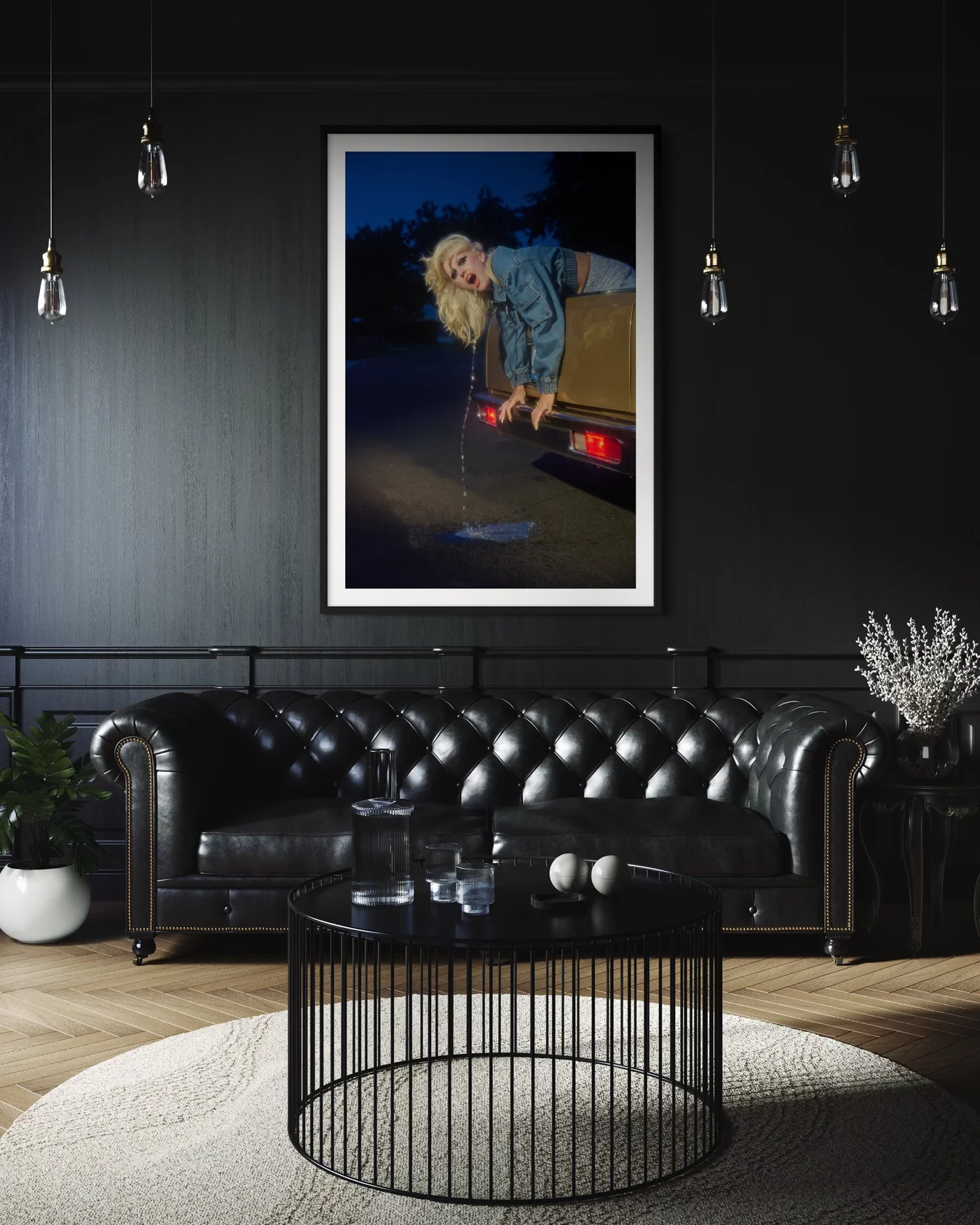
Additional Images From The Photo Series (c) JAMIE NELSON.
RELATED

MORE IN News