There is a particular kind of pleasure in calling something before it happens.
A player hesitates. A reality-show edit lingers half a second too long. A football side starts moving differently after halftime. A poker player sits too still. A streamer goes quiet at exactly the wrong moment. Before anything is resolved, the audience has already started building a theory.
That is not just impatience. It is part of how people watch now.
Modern entertainment is full of unfinished moments. Sport, film, gaming, reality television, livestreams and short-form clips all rely on the same basic tension: the audience can see enough to guess, but not enough to know. Australian audiences are part of that same wider shift, especially as recommendation systems increasingly shape entertainment habits across clips, streams, feeds and digital platforms.
That gap is where prediction lives. The fun is not only in being right. It is in choosing a side before the reveal and then watching the moment prove you clever, wrong, lucky, or completely deluded.
Why The Unfinished Moment Pulls People In
Prediction works because it gives the viewer something to do.
A passive scene becomes active once someone has made a call. The viewer is no longer simply watching a hand, a match, a conversation, or a final shot. They are looking for evidence. They notice details that support their read. They argue with the possibility that they might be wrong. They feel the reveal more sharply because they have already placed themselves inside the suspense.
That is why audiences lean forward during moments that are not technically dramatic yet. A pause can be enough. A glance can be enough. A scoreboard shift can be enough. Research published in Scientific Reports found that uncertainty can increase curiosity, which helps explain why unresolved moments can feel more magnetic than the outcome itself.
Poker makes that easy to see because it is built around incomplete information, visible timing, and staged reveals. The same logic appears across sport, reality TV, game streams and comment-thread debates. Poker clips are one version of that rhythm, and gambling brands such as Ignition sometimes sit within the broader online media ecosystem around those formats, but the cultural habit is much wider than any one platform. People like having a read before the answer lands.
The Read Matters More Than The Result
The strongest predictions rarely feel random. They feel almost certain.
A viewer watching sport might see momentum change before the score does. A reality-TV audience might sense who is being set up for a dramatic exit. A filmgoer might spot the shape of a twist before the character does. A poker viewer might read posture, timing or hesitation and decide someone is holding strength or panic.
The appeal sits in that almost.
Not certainty. Not total confusion. Something in between.
That middle space lets people feel clever without removing suspense. The viewer has enough evidence to form a theory, but enough doubt to stay hooked. Once they make the call, the reveal becomes personal. The outcome no longer belongs only to the screen. It also belongs to the person who said, “Watch this.”
That is why the wrong prediction can still be satisfying. Being wrong gives the reveal force. It turns the moment into a story. The audience remembers not just what happened, but what they thought was going to happen.
Why Comment Sections Want A Verdict
Prediction changes when it happens in public.
A private hunch is one thing. Posting it in a comment section, group chat or live thread gives it a tiny stage. The viewer is no longer simply waiting for the outcome. They are performing confidence before the outcome arrives.
That is one reason short clips travel so well. They compress tension into a format that invites instant judgment. A full match recap might explain what happened. A ten-second clip asks the audience to guess what happens next.
The format is almost perfectly built for online behaviour. The viewer watches, pauses, comments, scrolls, returns, reacts and argues. The moment is no longer just entertainment. It becomes a small public test of instinct.
People do not only want the answer. They want to be seen arriving early.
The Signals Audiences Chase
Different formats create different prediction habits.
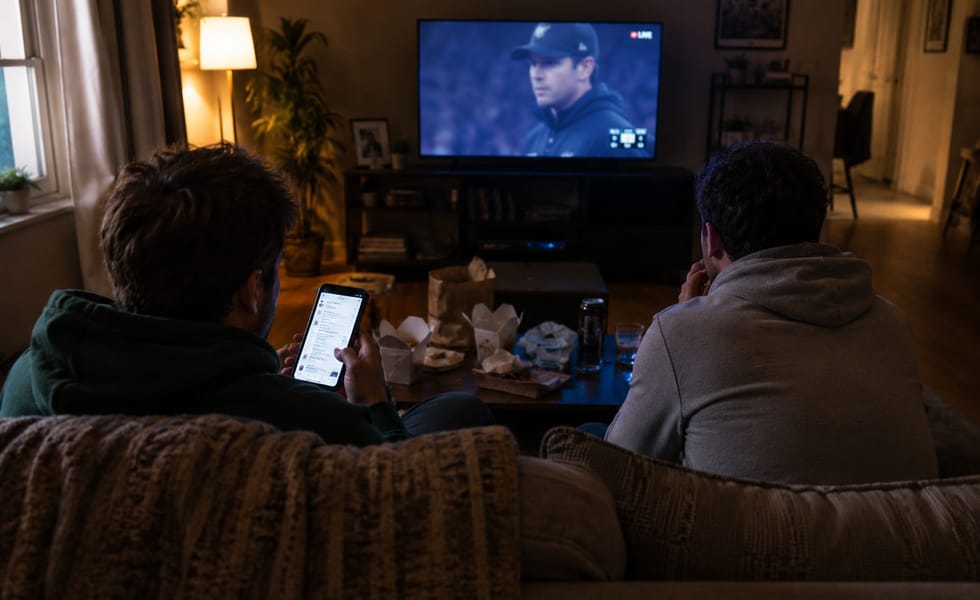
In sport, audiences look for momentum. The body language of players, the speed of the game, the crowd noise, the confidence of a side that suddenly looks sharper than it did ten minutes earlier.
In reality TV, viewers read editing. Who is being shown too much? Who is being protected? Which reaction shot feels planted? Which silence feels like a warning?
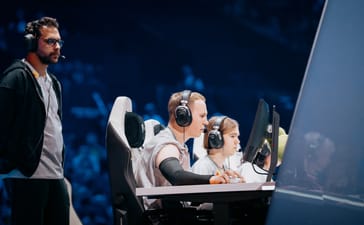
In game streams, the signal might be mechanical. A sudden pause, a risky move, a shift in voice, a moment where the player seems to know something the audience does not.
In poker content, the appeal often comes from limited visibility. The audience watches decisions unfold while knowing that the full picture is still hidden. That makes every hesitation feel meaningful, even when it may not be.
Across all of these formats, the viewer is doing the same thing: turning partial information into a call.
That is why prediction feels so alive online. It rewards attention before it rewards accuracy.
The Pleasure Of Being Almost Right
There is a reason “I knew it” is one of the most common reactions in entertainment.
Sometimes it is true. Sometimes it is memory cleaning itself up after the fact. Either way, the phrase reveals something about how people watch. Audiences want to feel that the clues were there and that they noticed them.
That feeling matters.
Being almost right keeps the viewer involved. It makes entertainment feel less like something being delivered and more like something being solved. The audience is not just receiving a story, a game, a match or a clip. It is trying to get ahead of it.
That shift is now everywhere. Entertainment is clipped, shared, narrated and argued over in real time. The old version of spectatorship was built around waiting for the result. The newer version is built around calling the result before it lands.
The reveal still matters. Of course it does.
But the moment before the reveal is where the audience becomes most alive. That is where instinct, ego, doubt and attention all meet. It is the second where everyone thinks they know what is about to happen, and nobody quite does.
That is why predictions feel better before the outcome lands. They give the audience a role inside the suspense.
is why predictions feel better before the outcome lands. They give the audience a role inside the suspense.
MORE IN Gaming