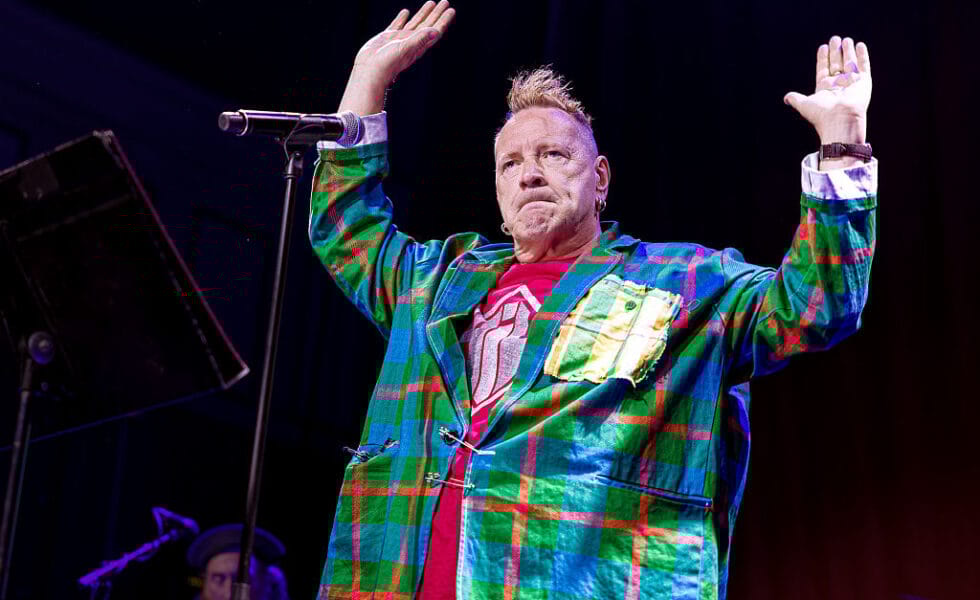
John Lydon has never been one to bite his tongue, and his latest comments prove he’s still swinging just as hard.
The Public Image Ltd frontman has weighed in on Bob Vylan’s controversial Glastonbury 2025 set, branding their on stage chant of “death to the IDF” as “rather sad and pointless”.
The performance, broadcast live on the BBC, saw frontman Bobby Vylan lead the crowd in chants of “death, death to the IDF” and “free, free Palestine”.
The fallout was quick with Bob Vylan having multiple international shows cancelled, their US visas revoked ahead of a planned tour, and two UK dates in Manchester and Leeds postponed until next year, with the band citing “political pressure” from MPs and Jewish leaders.
The set was also investigated by Avon and Somerset Police, that investigation has since concluded, with no further action taken.
Asked about the chant, Lydon told The Times it was “rather sad and pointless”, before expanding on his frustration with what he sees as performative politics.
“That’s just riding on the current wave of leftism, where you don’t have to think anymore. You just react with the herd. Moo!”
Kneecap remarks
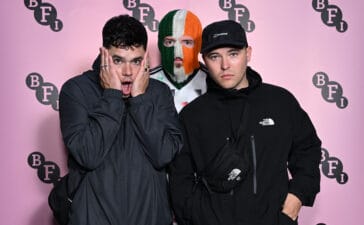
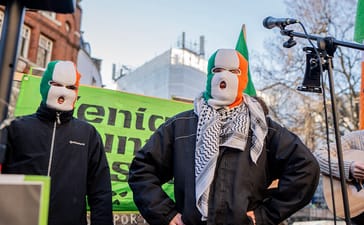
Lydon also doubled down on previous remarks aimed at Kneecap, suggesting they “should follow their own advice [as per their band name]”.
Earlier this year, he claimed the group “need a bloody good kneecapping”, referencing the violent punishment that inspired their name.
Those comments resurfaced after footage from Kneecap’s earlier live shows appeared to show the group expressing support for Hamas and Hezbollah, as well as urging fans to “kill their local MP”.
Speaking on Good Morning Britain at the time, Lydon was unequivocal.
“If you’re advocating the death of another human being, then you have no cause whatsoever. You are my enemy from here on in for the rest of your mediocre existence.”
Despite his criticism, Lydon clarified that he does support calls for a free Palestine, “so long as you free it from Hamas.”
He also confirmed he would perform in Israel again, saying: “Of course. There are human beings in Israel, aren’t there?”
The comments are the latest reminder that while punk once thrived on provocation, the line between protest and consequence has never been sharper.
RELATED


MORE IN News