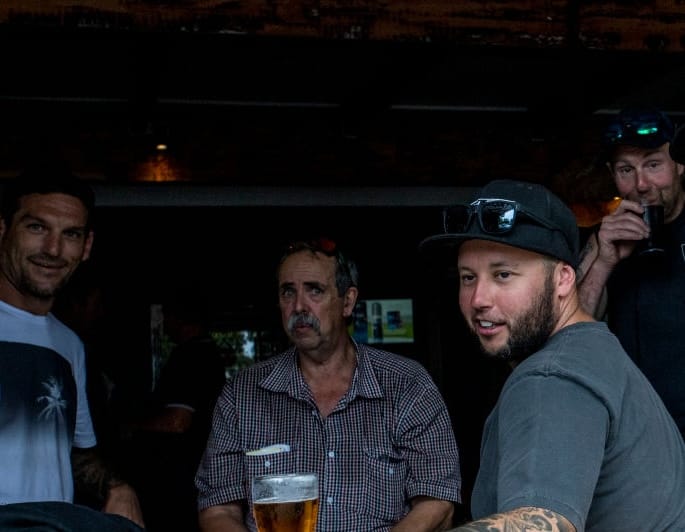
For a long time, gambling sat quietly inside everyday social life across both Australia and New Zealand.
Not necessarily as the main attraction, but as part of the structure around pubs, clubs, TAB counters, and regional venues that doubled as social spaces. You went to watch the footy, meet friends, eat dinner, stay for a few drinks, and somewhere in the background sat gaming rooms and betting screens that had become normal parts of the environment.
That atmosphere is starting to change, particularly in Australia.
In Victoria, recent gambling reforms have introduced mandatory shutdown periods for gaming machine areas, reduced load-up limits, slower spin requirements for new machines, and the staged rollout of carded play systems aimed at reducing gambling harm.
Supporters argue the changes are necessary public-health measures. Critics, particularly in regional areas, say the reforms are also reshaping how venues operate socially and commercially.
For decades, many regional pubs relied on gaming revenue to support broader hospitality offerings. In response to tighter regulation, some venues have started placing greater emphasis on food, live music, sport screenings, family dining, and community events as a way to keep people engaged without relying as heavily on gaming floors.
That does not mean gambling disappears. But it can change the balance of the venue itself.
In smaller regional towns, pubs often function as more than hospitality businesses. They act as informal community hubs. When one part of the venue changes, the social flow around it can shift as well — sometimes subtly, sometimes more visibly over time.
New Zealand has been navigating many of the same broader conversations around gambling harm and regulation, but within a noticeably different environment.
The country has its own pokies regulations, harm-minimisation frameworks, and public debate around gambling behaviour. At the same time, discussions around online gambling and offshore platforms tend to appear more openly within New Zealand-facing digital spaces than they do in mainstream Australian media environments, where the conversation is generally more cautious and heavily framed around restriction and intervention.
That difference becomes more visible online, where people increasingly compare how nearby countries approach venue regulation, gambling advertising, digital access, and offshore environments.
In those discussions, references to online environments in New Zealand often appear less as recommendations and more as examples of how neighbouring jurisdictions are responding differently to similar gambling-related pressures.
That does not mean Australians are broadly shifting toward offshore gambling platforms. There is limited evidence supporting that kind of direct behavioural migration. But it does reflect how gambling conversations themselves are becoming more digital, more cross-border, and more shaped by constant online comparison.
People no longer experience entertainment purely through local physical venues. Streaming platforms, online communities, gaming spaces, sports apps, and digital media environments now overlap constantly with everyday social life.
Gambling discussions increasingly move through those same systems.
What makes the Australia-New Zealand comparison interesting is not that one country is necessarily becoming more permissive than the other. It is that both are beginning to frame gambling differently in public conversation.
In Australia, particularly Victoria, the focus currently sits heavily on venue reform, behavioural safeguards, and harm reduction measures tied to physical gambling spaces.
In New Zealand-related online discussions, the focus more commonly shifts toward digital environments, offshore visibility, and how online gambling systems operate across borders.
Those are different conversations, even when they overlap around the same broader subject.
And increasingly, they reflect a broader shift happening across both countries, where gambling is no longer viewed purely as something attached to pubs and clubs, but as part of a larger digital environment that continues to reshape how people interact with entertainment, regulation, and social behaviour more broadly.
MORE IN Culture