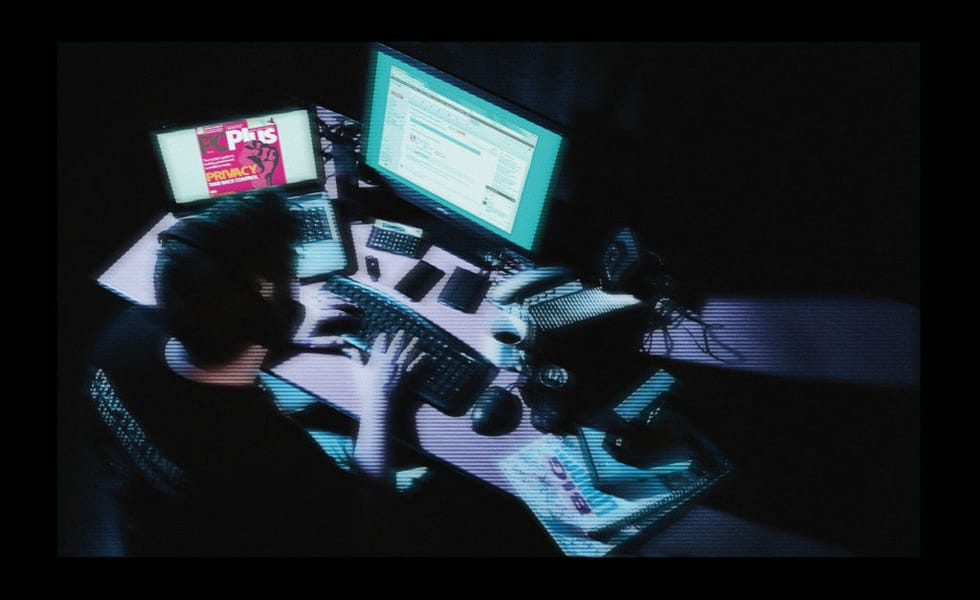
Late-night gaming is no longer niche. It’s shaping how people connect, create, and consume culture after dark.
There was a time when late-night gaming meant a few mates, a couch, and a console humming until sunrise. That image still exists, but it’s no longer the whole story. In 2026, midnight sessions have become something broader and harder to define. Part hangout, part performance, part social ritual.
What’s changed isn’t just the tech. It’s how people treat the hours after dark. For a growing slice of youth culture, especially those orbiting alternative music and online scenes, nights are less about going out and more about logging in.
Gaming now overlaps with streaming, chat servers, and creator platforms, blurring the line between play and presence. These spaces don’t shut at 2am, don’t charge a cover, and don’t care what city you’re in. Culture tends to follow wherever people gather, and right now a lot of that happens after midnight.
Why nights matter more now
Late nights have always been a space for experimentation, but digital life has stretched them into something more fluid. People move between tabs, platforms, and small distractions, building routines around low-friction engagement rather than a single activity.
That’s where side habits start to form. During breaks between matches or streams, users drift into other parts of the internet built around quick feedback loops and constant movement. It reflects the same impulse that keeps real-time chat ticking over. References to resources like Casinobeats tend to surface within that wider mix of activity, not as a destination people plan around, but as part of a broader online environment that prioritises immediacy over intention.
This same logic sits behind streaming culture itself. Digital subcultures have blurred the line between going out and staying in, with virtual hangouts replacing physical nightlife for many. After midnight, the screen becomes the venue.
From LAN nights to Discord
The social core of gaming has shifted from physical rooms to persistent digital spaces. Discord servers, Twitch chats, and shared streams now function like modern basements. Places to talk rubbish, swap music links, and exist together without much structure.
This isn’t niche anymore. Gaming audiences now rival traditional entertainment in scale, with the global esports audience surpassing 570 million in 2024, according to data cited by VanEck. When that many people treat late-night streams as background noise or social glue, the habits spread outward.
You can see it in how bands preview tracks on streams, how memes move from game chats to TikTok, and how online slang filters into everyday language. The console might be the entry point, but the culture doesn’t stay there.
Digital downtime and side habits
Creators play a big role in reinforcing these rhythms. When streamers go live late, audiences follow, reshaping sleep patterns and social norms around those broadcasts. The result is a loop where night-time becomes the prime window for participation.
There’s real money behind it. User-generated content payouts on platforms like Roblox and Fortnite reached $923 million and $352 million respectively in 2024. Those numbers explain why creators treat late hours as valuable territory.
For viewers, hanging around isn’t passive. Chatting, tipping, remixing clips. It all feels like being part of something unfolding in real time. That sense of shared insomnia carries its own weight.
Where the culture goes after midnight
Late-night gaming culture isn’t replacing gigs, clubs, or scenes rooted in physical space. It’s running alongside them, bleeding into music, fashion, and humour. The DIY ethos that once lived in garages now lives in servers and streams.
For anyone tuned into underground culture, this shift feels familiar. It’s another example of communities building their own spaces when existing ones don’t fit. After midnight, online worlds offer anonymity, connection, and freedom. The same things subcultures have always chased.
The difference now is scale. When millions share those hours, even quietly, the after-dark habits of gamers don’t stay niche for long. They become part of the background rhythm of mainstream culture.
MORE IN Culture