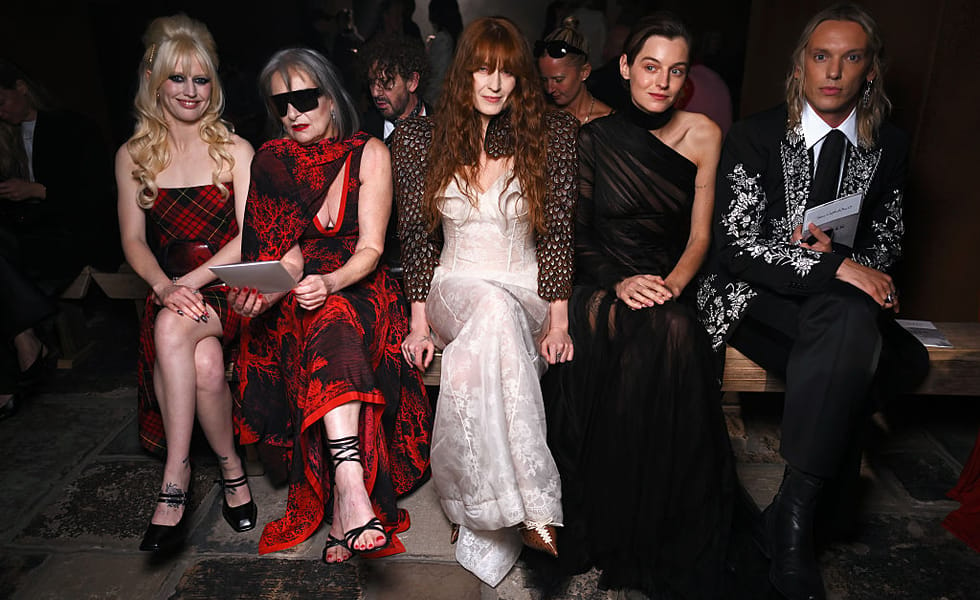
Amy Taylor spent September 20 sitting beside Siouxsie Sioux at London Fashion Week.
The next day, BLUNT was writing about a US court ruling in Taylor’s ongoing dispute with photographer Jamie Nelson.
On paper, the two moments have little to do with each other. One was a fashion show. The other concerns the disputed commercial use of photographs. Put them side by side, though, and the same question appears: once a subculture becomes valuable, who gets to turn an artist’s identity into a product?
The Amyl and the Sniffers singer has become one of the most recognisable figures in Australian rock. That identity was not invented for a campaign. It grew through the band, the live show, Taylor’s writing, her performance and years spent becoming unmistakably herself in public.
Taylor has been moving between punk and fashion for years.
In 2019, Taylor and then-Amyl bassist Gus Romer appeared in Gucci’s Pre-Fall campaign and walked in the house’s Fall/Winter 2019 show. Gucci also featured Amyl and the Sniffers in its #GucciGig project, photographing the band on tour in California.
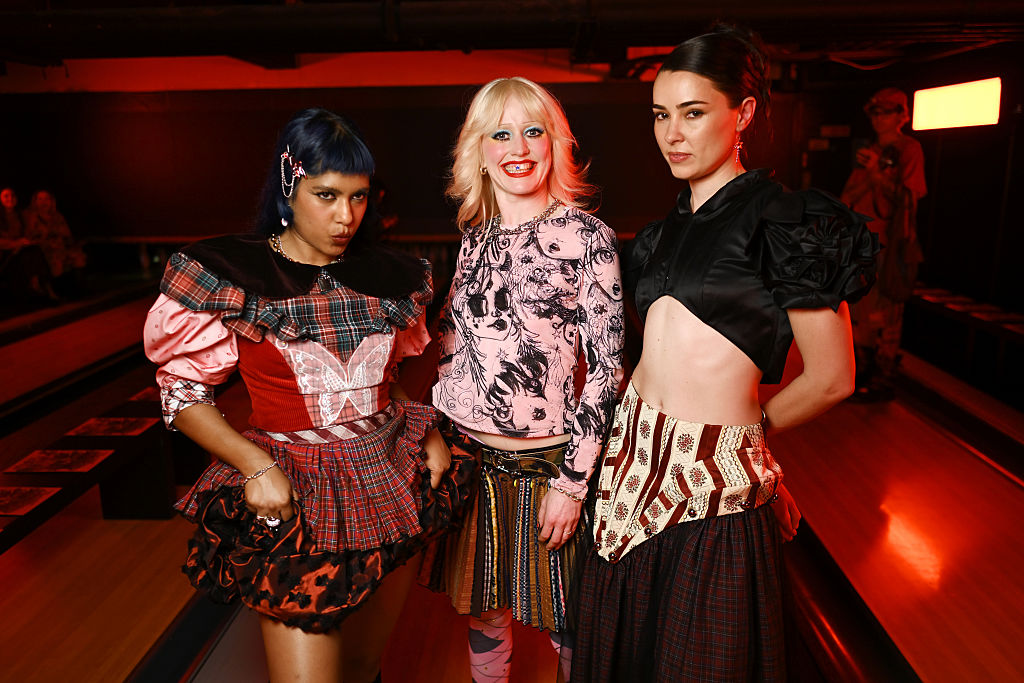
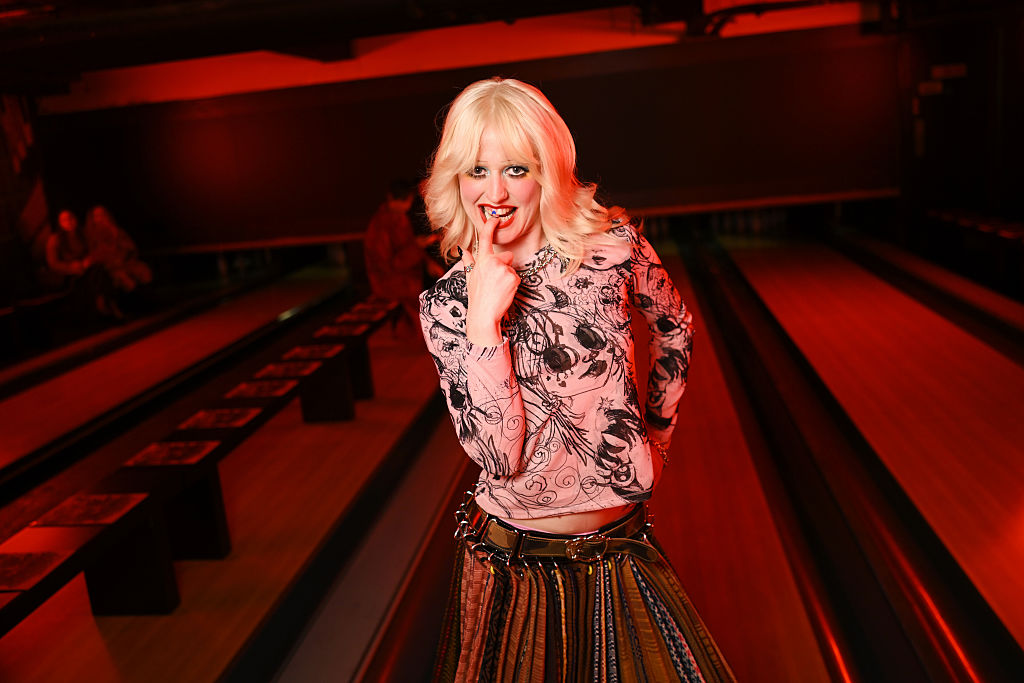
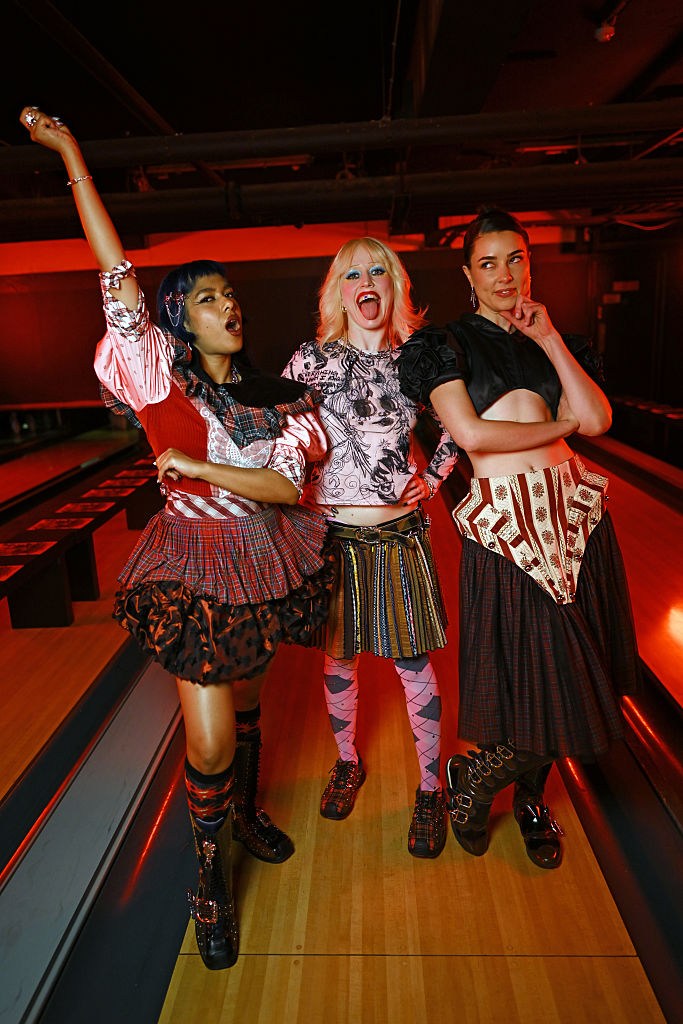
That crossover was visible all through her London Fashion Week run. The day before McQueen, Taylor was at Chopova Lowena alongside Ecca Vandal and Confidence Man’s Janet Planet. It looked less like a detour into fashion than an extension of the same cultural world.
Her appearance at McQueen’s Spring/Summer 2027 show the following day was not some sudden collision between punk and high fashion. Those worlds have been borrowing from each other for decades.
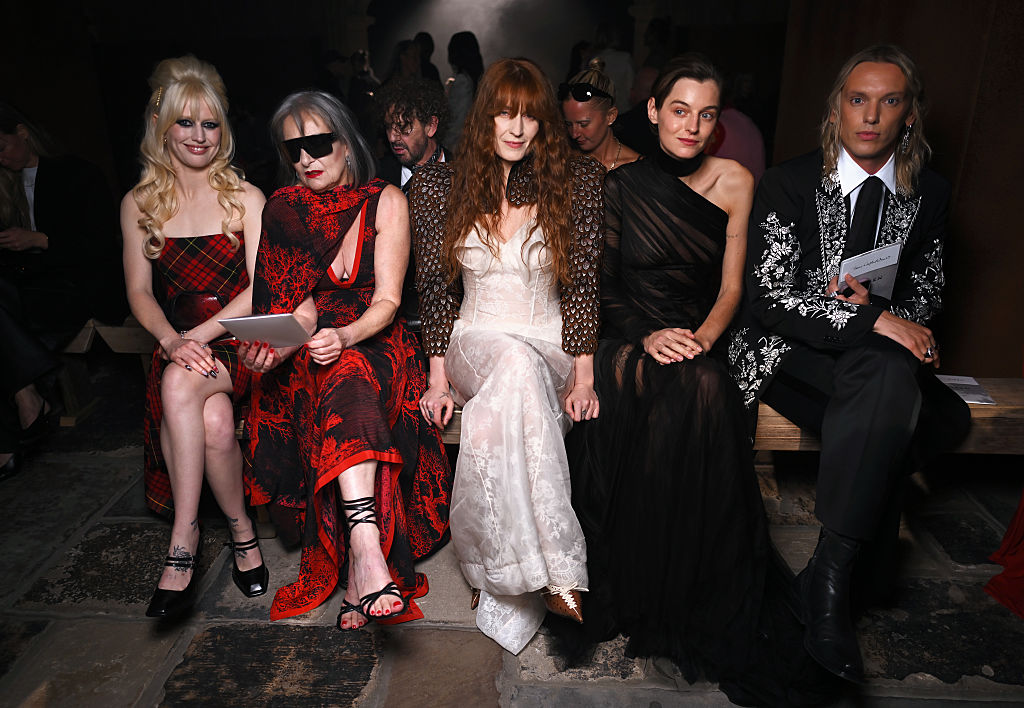
Getty photographs show Taylor seated with Siouxsie Sioux. A wider shot puts them alongside Florence Welch, Emma Corrin and Jamie Campbell Bower.
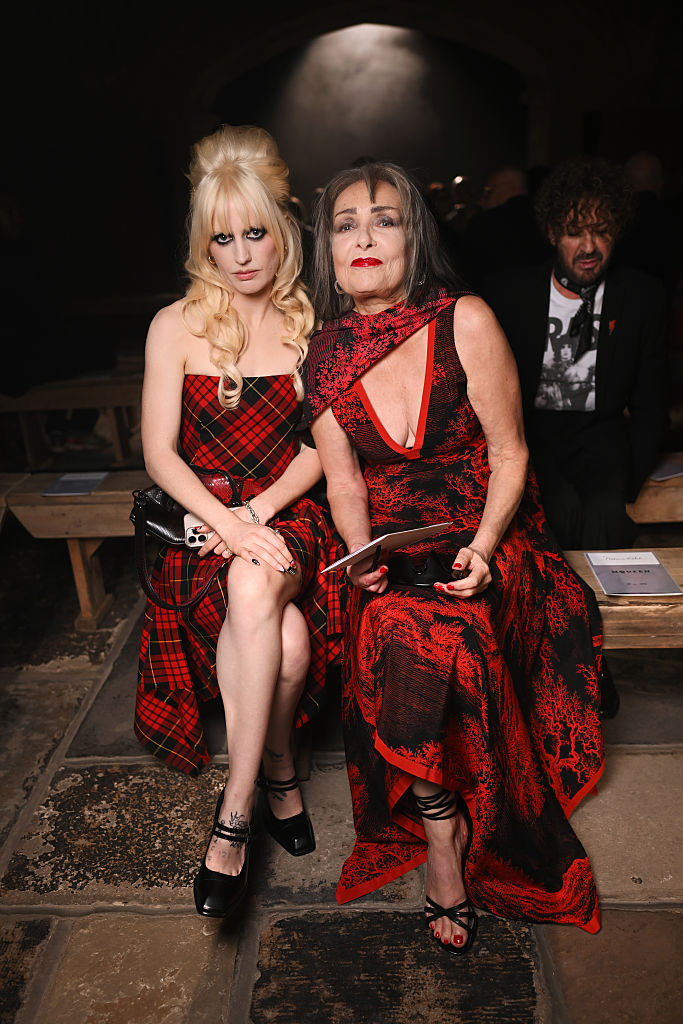
The seating plan is more interesting as lineage than celebrity trivia. Siouxsie helped build the sound and visual language of British post-punk. Decades later, those codes sit comfortably inside high fashion. Taylor belongs to a different generation and a different scene, but the path is familiar. What starts in clubs, pubs and small rooms eventually finds its way onto mood boards.
McQueen’s show made that cycle unusually visible. The house was back on the official London Fashion Week schedule after years in Paris, with creative director Seán McGirr drawing on London club culture, tailoring and the city’s long history of turning subculture into style.
The harder question starts after the photograph is taken.
Taylor’s dispute with Nelson concerns a 2025 shoot that appeared in Vogue Portugal. Taylor says she agreed to the editorial shoot but not to later uses of the photographs as fine-art prints and a zine titled Champagne Problems. Nelson disputes Taylor’s claims and maintains rights arising from her authorship and copyright in the images.
In BLUNT’s September 21 report on the case, Taylor’s federal false-endorsement claim had been dismissed with prejudice. The lawsuit itself was not over. Her California publicity-rights claims and implied-contract claim remained, while Nelson and her studio had been given permission to amend their copyright infringement counterclaim.
A Gucci campaign, a Vogue editorial and a McQueen front row are three different arrangements. The legal fight exists because the scope of one of those arrangements is contested.
Musicians have been fighting versions of this argument for decades. Likeness, merchandise, photographs, publishing, licensing and ownership all become more complicated once a person is valuable enough for their image to make money without them being in the room.
Punk has always understood the power of an image.
The fantasy that punk is pure until a designer touches it does not survive much contact with punk history. Clothes mattered. Hair mattered. Record sleeves mattered. Photography, typography, posture and self-invention mattered. The image was never separate from the music.
Fashion has always watched music scenes for whatever feels new, dangerous or difficult to manufacture. Musicians have always understood the power of clothes and images to say something before the first note is played. Sometimes that exchange is creative. Sometimes it is cynical. Usually it is both at once.
That is what makes the Taylor story more interesting than another gallery of famous people sitting in expensive clothes. Her appeal to fashion comes from an identity built somewhere else. Fashion can amplify it, photograph it and place it in a front row, but it did not create it.
Taylor’s image now has a life beyond the stage.
It moves through magazine shoots, fashion campaigns, front rows and social feeds, often far from the live setting that first made her recognisable. Once that image can create value on its own, questions about who can use it, where it can appear and on what terms stop being theoretical.
The court case will turn on specific claims, evidence and agreements. The runway is context, not evidence.
What has changed is scale. Amyl and the Sniffers came out of pub-rock, but Taylor’s name and image now travel through industries far beyond it. That wider reach is exactly why the terms around their use matter.
Punk has always sold things. The fight is over who gets to set the terms.
MORE IN Music