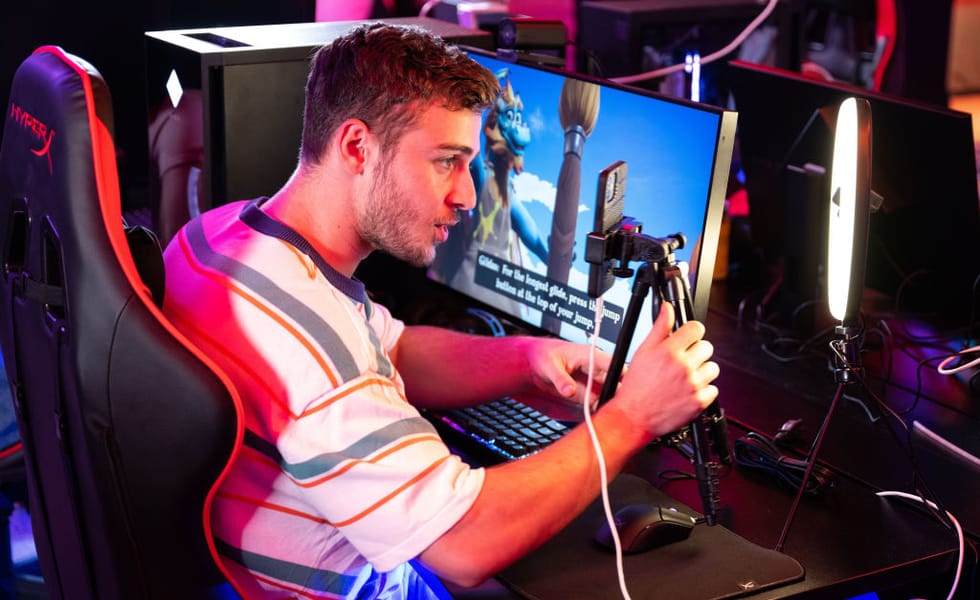
Livestreaming once felt defined by what creators could do with a camera and an audience. Increasingly, it is also defined by what the platform will let them show, link to, promote or put in front of younger viewers.
Gambling content is one of the clearest examples because it forces platforms to make decisions on several levels at once. The question is not only whether a stream can exist. It is also whether an operator can be named, whether a link can appear, whether sponsorship has to be disclosed and whether the audience needs to be age-restricted.
The Rulebook Is Part of the Format Now
Twitch, Kick and YouTube all host live creator culture, but they draw different lines around gambling. Twitch prohibits links and affiliate codes to sites containing slots, roulette or dice games, and it blocks streams from a list of named gambling domains. Kick permits gambling content under its rules, but requires streamers to follow local law, use appropriate age labelling and disclose sponsored or affiliate relationships. YouTube prohibits directing viewers to online gambling services not certified by Google and can age-restrict content that depicts or promotes online gambling.
Those differences change the texture of what viewers see. A category can look normal on one platform, heavily labelled on another and effectively disappear somewhere else. Moderation policy is no longer sitting outside internet culture. It is helping to shape the culture itself.
The Camera Changed the Look of the Game
The shift is visible in the content too. Overseas live roulette formats are one example of a game being arranged for a camera as much as for the people around the table. Dealers face fixed lenses, lighting stays consistent and the whole surface is built to remain legible in a small video window.
That visual grammar is familiar across livestreaming. The person on camera needs to be readable, the action has to survive compression and the audience needs enough happening around the main activity to stay engaged. A table can function perfectly well as a game and still make dull live content if the broadcast around it has no rhythm.
Watching Became Its Own Activity
Streaming also blurred the old line between participating in something and simply watching it. Some viewers arrive for the presenter, the chat or the spectacle rather than because they have any intention of taking part themselves.
That distinction matters. A livestream can expose an audience to an activity without behaving like a conventional advertisement, but the surrounding links, sponsorships and calls to action can quickly change that relationship. The major platforms now treat those layers differently, which is why the details of their policies matter as much as the stream itself.
The Internet Keeps Inventing New Gatekeepers
The early mythology of livestreaming was that it removed the gatekeepers. Anyone could go live, build a following and find an audience without waiting for a broadcaster to hand them a slot.
That is still partly true, but the gatekeepers did not disappear. They became recommendation systems, age labels, prohibited-link rules, sponsorship disclosures and moderation teams. The creator may control the camera, but the platform increasingly decides the conditions under which the audience sees it.
The Rules Are Becoming Part of the Culture
Gambling is only one visible case study. Similar arguments now run through alcohol, financial products, graphic content and other categories where platforms have to balance creator freedom against legal and safety obligations.
The bigger story is that livestream culture is no longer shaped only by creators and audiences. It is being written by rulebooks too. What survives, what gets labelled and what disappears from view are increasingly editorial decisions made by the platforms themselves.
MORE IN Culture